Comfort & skin picks
Winter skincare for dry, itchy mature skin: the routine and the creams worth using
At a glance
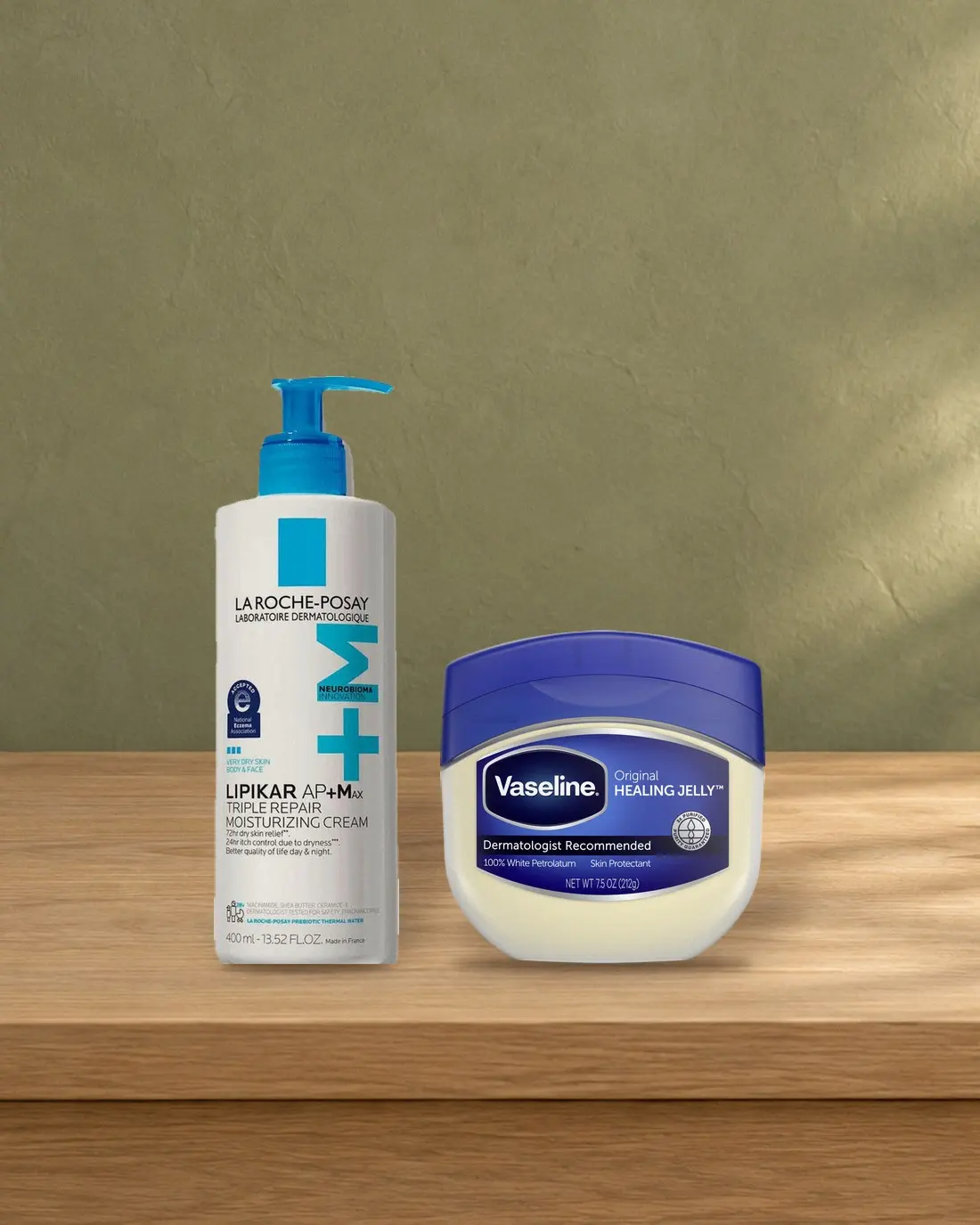
Winter itch on mature skin usually comes down to three things: hot showers, dry indoor heat and a moisturizer that goes on too late or too thin. Fix the routine first. Then pick one fragrance-free cream for the big areas, and keep a plain ointment for the stubborn spots. For most women that cream is CeraVe Moisturizing Cream. If you would rather have a pump by the shower and a richer feel, La Roche-Posay Lipikar AP+MAX is our premium option.
Skin tends to get drier around menopause, and cold, dry air on top of that is why shins, forearms and hands are often the first to complain. How skin changes around menopause · American Academy of Dermatology (AAD) on dry skin
Our favorite picks at a glance
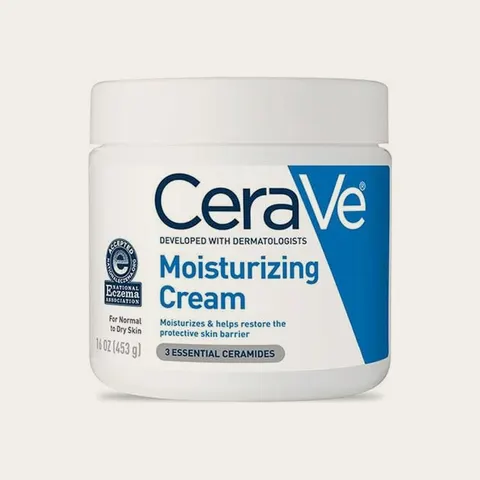
CeraVe Moisturizing Cream
Best if: One fragrance-free cream for dry legs, arms and face
Skip if: A big tub is less handy beside the shower than a pump
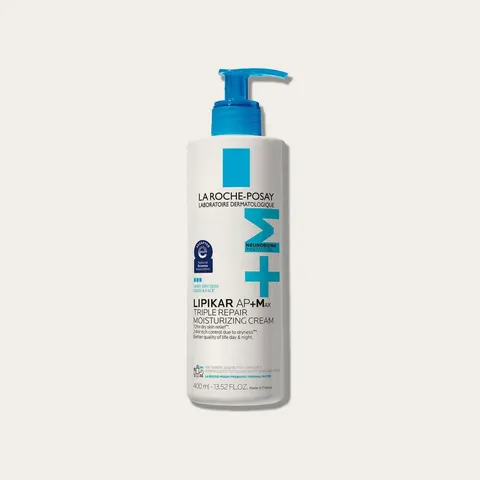
La Roche-Posay Lipikar AP+MAX Triple Repair Moisturizing Cream
Best if: Premium option: a rich cream in a pump for itchy, dry body skin
Skip if: Contains shea butter and niacinamide, so skip it if either has bothered you
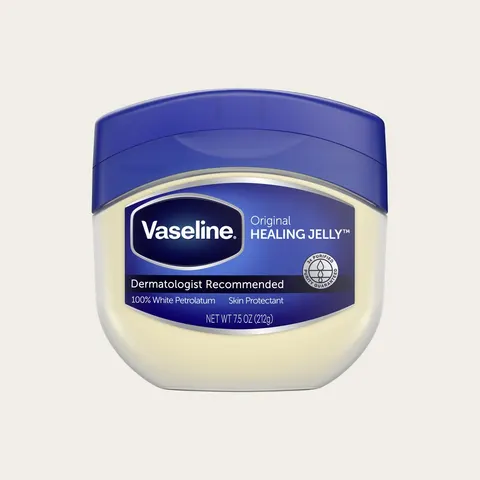
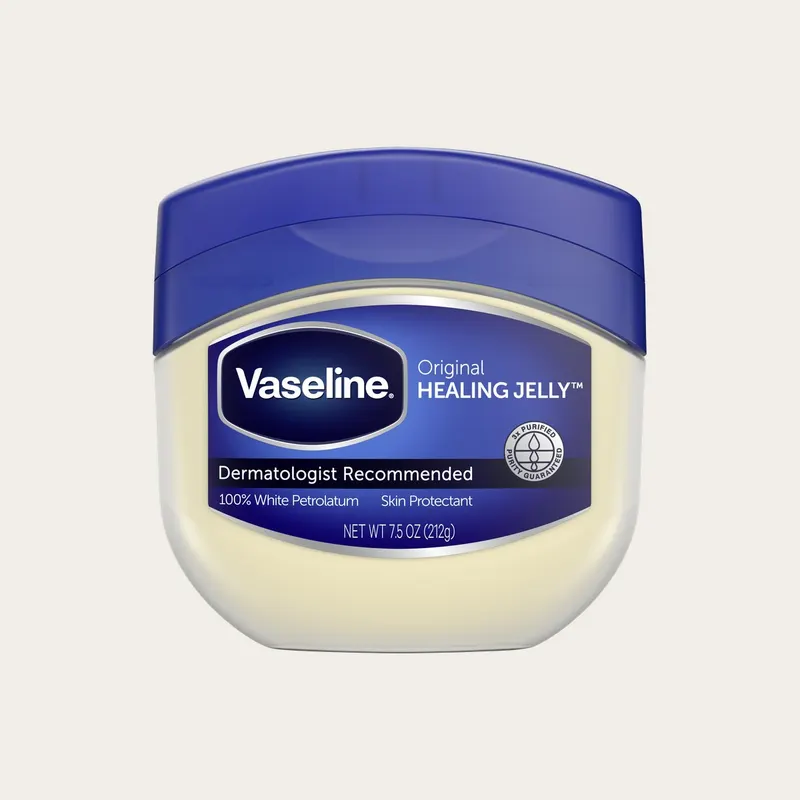
Vaseline Healing Jelly Original
Best if: One rough heel, elbow or knuckle
Skip if: Greasy, so it is a spot treatment rather than an all-over layer
Why does my skin itch more in winter?
Cold air outside holds little moisture, and central heating dries the air indoors as well. Skin loses water faster in both. Long, hot showers strip away more of the oils that keep it soft. Around menopause, falling estrogen also leaves skin less able to hold on to water, so the same winter that used to cause a little tightness can now cause real itch. The AAD’s menopause skin care advice recommends gentle cleansing and a moisturizer applied straight after bathing for exactly this reason.
The good news is that winter dryness responds well to simple, boring habits. Most women do not need a new product so much as a better time to apply the one they have.
The winter routine, step by step
1. Shorter, warm showers. Five to ten minutes in warm, not hot, water is enough. Use a gentle, fragrance-free wash only where you need it, such as underarms and groin, rather than soaping your shins every day.
2. Cream within three minutes. Pat dry, leave the skin a little damp, and smooth the cream on before you dress. The AAD’s advice for skin in your 60s and 70s explains why the timing matters: the cream holds in the water that is still on your skin.
3. Cream, not lotion, for very dry areas. Creams and ointments add more moisture than thin lotions. If a lotion has stopped working by mid-afternoon, that is your sign to switch. AAD tips for relieving dry skin
4. Reapply after every handwash. Hands lose the most moisture in winter. Keep a tube by the sink you use most. Our fragrance-free hand care guide covers split fingertips and rough knuckles.
5. Change the room, not just the cream. If your favorite chair sits beside a radiator or fireplace, move it back. A soft cotton layer under wool stops scratchy fabric rubbing itchy arms. If you already own a humidifier, clean it as the maker directs and run it in the bedroom overnight.
Which cream fits which dry spot?
Pick one everyday cream. Add a second product only if one area still needs more help after a week or two.
| If this sounds like you | What to use | The catch |
|---|---|---|
| Shins and forearms feel tight after every shower | CeraVe Moisturizing Cream, a fragrance-free face and body cream with glycerin, petrolatum and three ceramides | A tub goes a long way, but a pump is easier if you tend to skip it |
| You want a richer cream in a pump by the shower | La Roche-Posay Lipikar AP+MAX, a fragrance-free cream with shea butter, glycerin and niacinamide in a 400 mL pump | Skip it if shea butter or niacinamide has irritated you before |
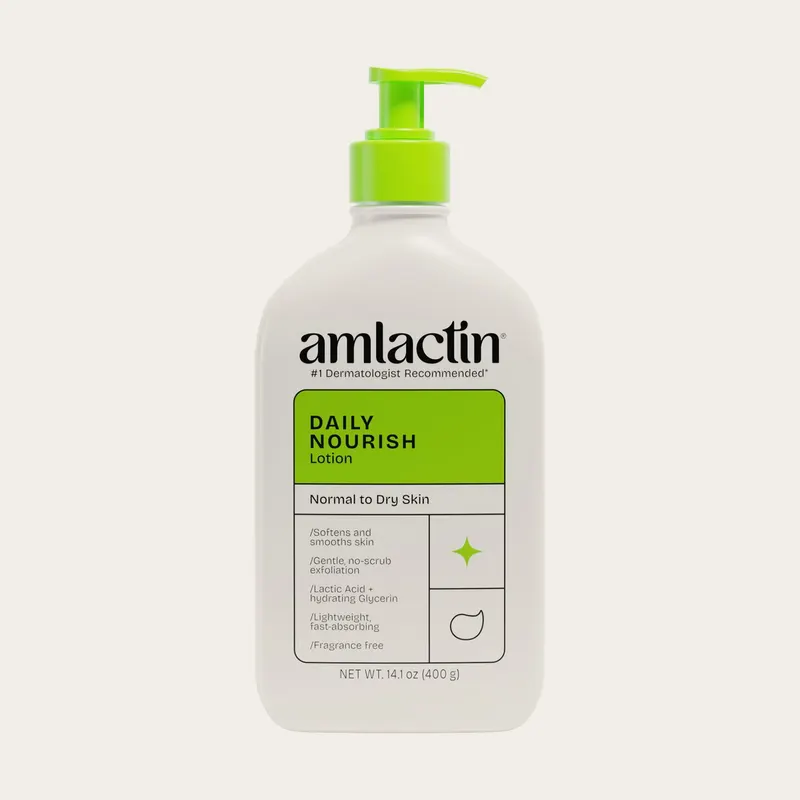
| Your shins look rough and scaly as well as dry | AmLactin Daily Nourish Lotion, which the brand says has 12% lactic acid to smooth rough skin | Acids can sting on cracked or freshly shaved skin, and the brand advises sunscreen on treated areas |
| Only one heel, elbow or knuckle stays rough | Vaseline Healing Jelly Original, 100% white petrolatum, in a thin layer at night | It is greasy, so keep it to small areas |
CeraVe Moisturizing Cream: the one to start with
If you only buy one thing this winter, make it a plain, fragrance-free cream you will actually use every day. CeraVe Moisturizing Cream fits that description. It combines glycerin, which draws water into the skin, petrolatum, which slows water loss, and three ceramides, the fats that make up part of the skin barrier. The brand directs it for both face and body, so one tub covers legs, arms, hands and dry cheeks.
Skip it if you dislike a thick, slightly occlusive feel on your face. Use it on the body and keep your usual facial moisturizer. Our CeraVe Moisturizing Cream vs Intensive Moisturizing Cream comparison explains which CeraVe tub to pick.
La Roche-Posay Lipikar AP+MAX: the premium option
Lipikar AP+MAX is richer and comes in a 400 mL pump, which makes it easy to keep in the bathroom and use every time you step out of the shower. It is fragrance-free and built around shea butter, glycerin and niacinamide. It costs more than CeraVe and is not proven to work better, so choose it for the format and the feel, not because it is premium.
Skip it if you know shea butter or niacinamide does not agree with you. A cream you already tolerate is the safer choice for itchy skin.
AmLactin: for rough, bumpy shins
Some winter legs are not just dry, they are rough and scaly to the touch. A plain cream softens that slowly. AmLactin Daily Nourish Lotion adds lactic acid, an exfoliating humectant, which the brand says helps smooth rough skin. Use it on intact skin only. If it stings, stop, and go back to a plain cream until any cracks have healed. Because acids can make skin more sensitive to the sun, the brand recommends sunscreen on treated skin. Our body lotion guide compares AmLactin with urea-based options.
Vaseline: for the spots that will not settle
Plain petroleum jelly is one of the most effective ways to seal in moisture, and it has no fragrance or plant extracts to react to. Put a thin layer on a rough heel, a split knuckle or a cracked elbow at bedtime. Cotton socks or gloves over the top stop it rubbing off on the sheets. You do not need the big 13 oz jar if you already have a small one at home. See our Aquaphor vs Vaseline comparison if you are choosing between the two.
What about my face in winter?
Your face goes through the same weather but needs a gentler hand. Wash once a day with a non-foaming or low-foaming cleanser, and apply moisturizer while your skin is still damp. If your face feels tight after washing, our Vanicream Gentle Facial Cleanser review is a good place to start. For the moisturizer itself, see our guide to fragrance-free moisturizers for menopausal dry skin. Keep daily sunscreen going too. Winter sun still reaches your skin.
When winter itch needs a doctor
Dry skin itch usually eases within a week or two of regular moisturizing. Contact a clinician if the itch keeps waking you, carries on despite moisturizing, or comes with a new rash. Seek prompt care if a crack leaks pus, or the skin around it becomes swollen, hot or discolored, because these can be signs of infection. AAD signs of excessively dry skin
If the itch returns long after the heating season ends, our guide to itchy skin around menopause covers other causes worth raising at an appointment.
Quick answers
Is lotion or cream better for winter dryness? Cream. Creams and ointments add more moisture than lotions, so they are the better choice once winter skin starts to itch.
Should I use a body oil? An oil can feel lovely, but on its own it does little to draw water into the skin. If you like oil, apply it over damp skin, or use a cream underneath.
Do I need a special menopause body cream? No. A fragrance-free cream with ingredients such as glycerin, ceramides or petrolatum does the job. Pay more only if you prefer the feel or the packaging.
Products mentioned in this guide
Shopping outside the US? The store may take you to a local site in supported countries. Our product research covers the US formulas. Products, sizes, ingredients and availability can differ by country. Check the local listing before buying.
Vaseline Healing Jelly Original
Check current price on Amazon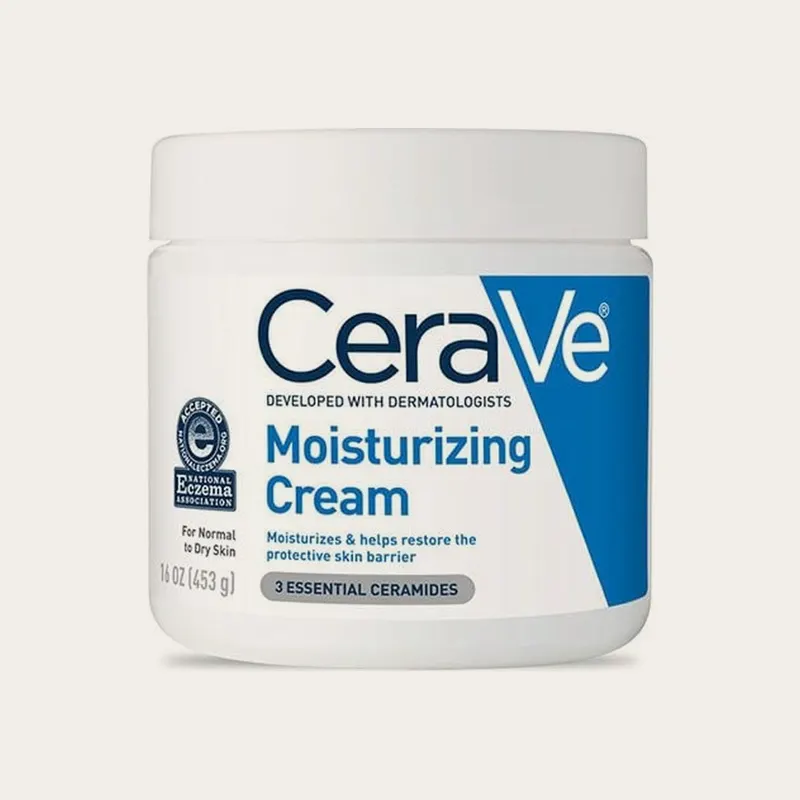
CeraVe Moisturizing Cream
Check current price on Amazon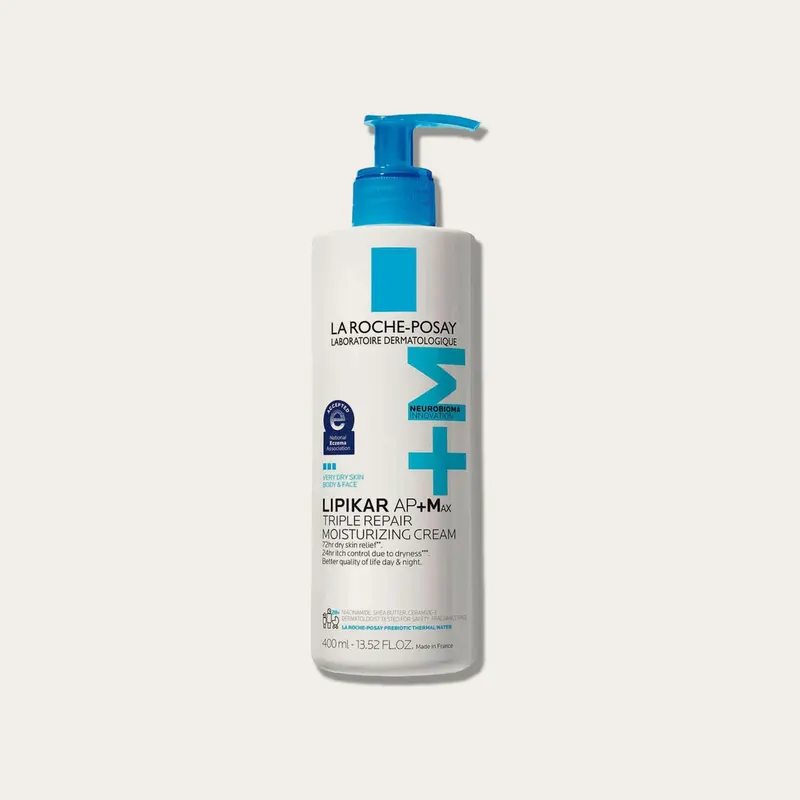
La Roche-Posay Lipikar AP+MAX Triple Repair Moisturizing Cream
Check current price on Amazon