
Menopausal skincare: cleanse, moisturize, protect.
For skin that feels dry, tight or more reactive around menopause. Start with the routine below, or choose what bothers you most.
Step 1 of 2
What bothers you most?
Step 2 of 2
Which products do you want to replace?
Step 2 of 2
Which products do you want to replace?
Step 2 of 2
Which products do you want to replace?
Step 2 of 2
Do you want to compare a new product?
Step 2 of 2
Do you want to compare a new product?
Step 2 of 2
Do you want to compare a new product?
Start here. It compares options and says what each one cannot do.
Best moisturizer for dry menopausal skin: 8 picks comparedStart here. It compares options and says what each one cannot do.
Best Cleanser for Menopausal and Perimenopausal SkinIf your cleanser and moisturizer already leave your skin comfortable, keep them. A menopause label is not a reason to replace a working routine.
Simple Menopause Skincare Routine: 3 Steps, Morning and NightStart here. It compares options and says what each one cannot do.
Best Cream or Lotion for Menopause Itching: 5 Fragrance-Free PicksStart here. It compares options and says what each one cannot do.
Best Cleanser for Menopausal and Perimenopausal SkinIf your cleanser and moisturizer already leave your skin comfortable, keep them. A menopause label is not a reason to replace a working routine.
Simple Menopause Skincare Routine: 3 Steps, Morning and NightStart here. It compares options and says what each one cannot do.
Best moisturizer for dry menopausal skin: 8 picks comparedStart here. It compares options and says what each one cannot do.
Best Cleanser for Menopausal and Perimenopausal SkinIf your cleanser and moisturizer already leave your skin comfortable, keep them. A menopause label is not a reason to replace a working routine.
Simple Menopause Skincare Routine: 3 Steps, Morning and NightStart here. It compares options and says what each one cannot do.
Best eye cream for menopause: Olay, No7 and CeraVe comparedIf your current care already leaves this area comfortable, keep it. You do not need to add another product simply because you are in menopause.
Simple Menopause Skincare Routine: 3 Steps, Morning and NightStart here. It compares options and says what each one cannot do.
Best Lip Balm for Menopause and Perimenopause: 4 PicksIf your current care already leaves this area comfortable, keep it. You do not need to add another product simply because you are in menopause.
Simple Menopause Skincare Routine: 3 Steps, Morning and NightStart here. It compares options and says what each one cannot do.
Best neck cream for crepey skin in menopause: 7 labels checkedIf your current care already leaves this area comfortable, keep it. You do not need to add another product simply because you are in menopause.
Simple Menopause Skincare Routine: 3 Steps, Morning and Night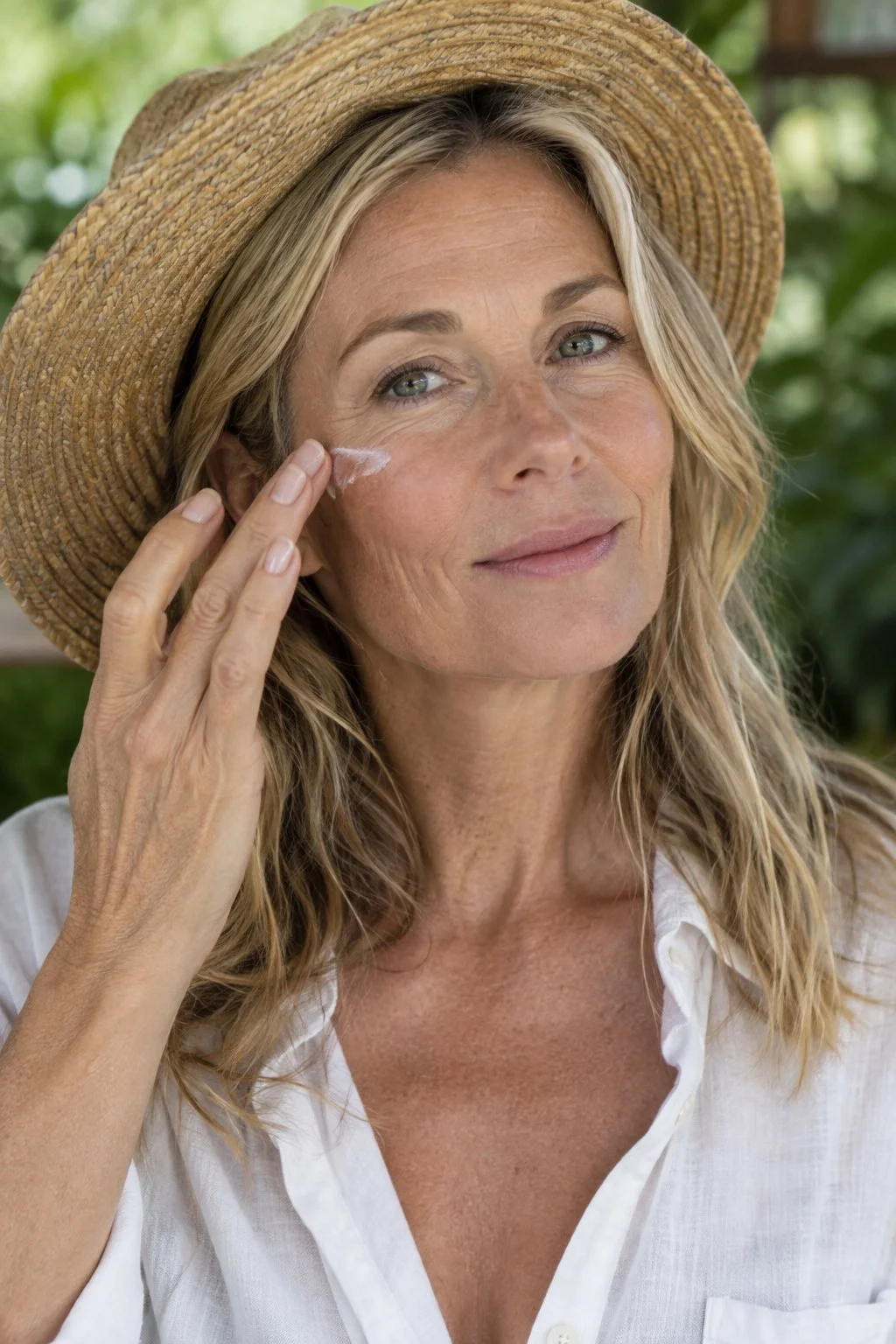
A simple menopausal skincare routine
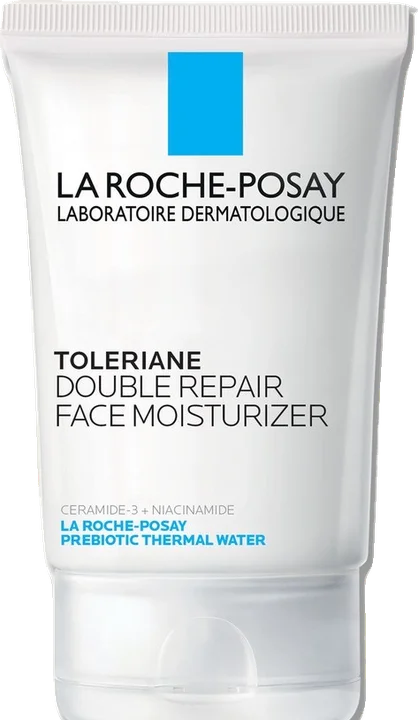
- Cleanse gently. A mild, non-foaming wash. No scrubbing.
- Moisturize. A fragrance-free cream, right after washing.
- Protect from the sun. Broad-spectrum, water-resistant SPF 30 or higher on exposed skin.
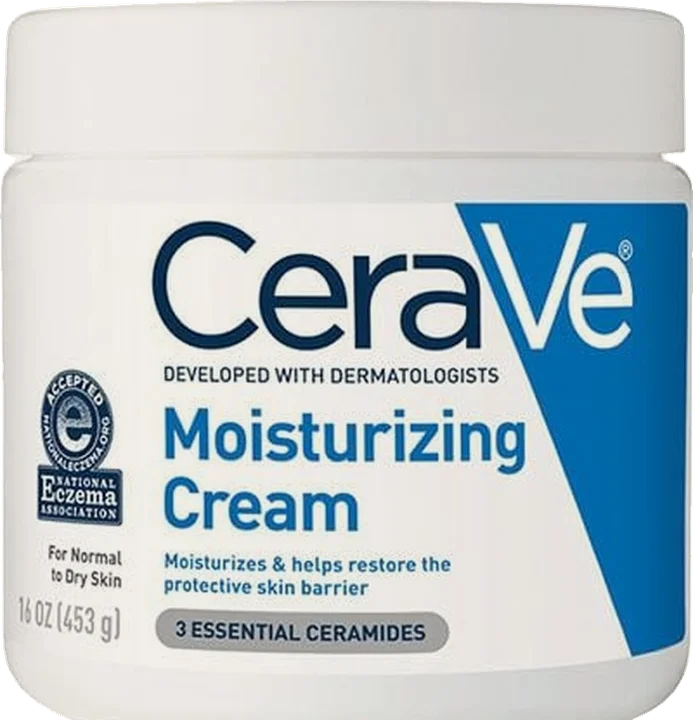
- Remove the day gently. Wash off sunscreen and makeup.
- Moisturize again. The same cream works. Go richer if skin feels tight by morning.
- Optional: retinol. Only when your skin is calm, and start slowly.
Irritation that lasts or gets worse needs a clinician, not another product. These basics draw on the AAD's dry-skin advice and menopause guidance.
Ingredients: choose the job you need
You do not need a separate bottle for every ingredient. A moisturizer can combine several roles. The finished formula and how your skin tolerates it matter more than a single highlighted ingredient.
Help with hydration
Glycerin and hyaluronic acid are moisturizing ingredients the AAD highlights for menopausal dryness. Check whether they are already in your cream before adding a serum.
Support moisture retention
Ceramides are lipids used in moisturizing formulas. Their presence does not tell you whether the whole product will suit your skin.
Soften and hold moisture
Dimethicone, mineral oil and petrolatum are among the ingredients the AAD lists in creams and ointments for dry skin. Choose the texture for the area you are caring for.
See the AAD's advice on choosing a moisturizer and dry-skin ingredients.
Retinol is optional. It is a separate decision about concerns such as fine lines, not a substitute for moisturizing. Dryness, redness or inflammation can make it unsuitable. Ask a dermatologist whether it fits your skin; retinoids should not be used during pregnancy. Read the AAD's retinoid guidance and our retinol-irritation guide.
What can you keep, and what can wait?
Do I need menopause-branded skincare?
Choose by the formula, your skin concern and the product's intended use. A menopause label alone does not establish a better fit. Compare menopause-branded and ordinary skincare.
Do I need a serum or separate night cream?
Keep a moisturizer that suits you. An extra step needs a clear purpose and a tolerable formula. Compare whether a hydrating serum adds anything and whether a separate night cream has a useful job.
What if my skin is dry and breaking out?
Dry areas and oily areas may need different textures. Avoid choosing by dryness alone. Start with our dry, breakout-prone skin comparison. Persistent or worsening acne needs clinical advice.
Your skin changed.
Start with what you notice.
Around menopause, your skin may feel drier or become more easily irritated. The American Academy of Dermatology explains that skin can lose some ability to hold water. Start with the change you notice, then choose a small next step.
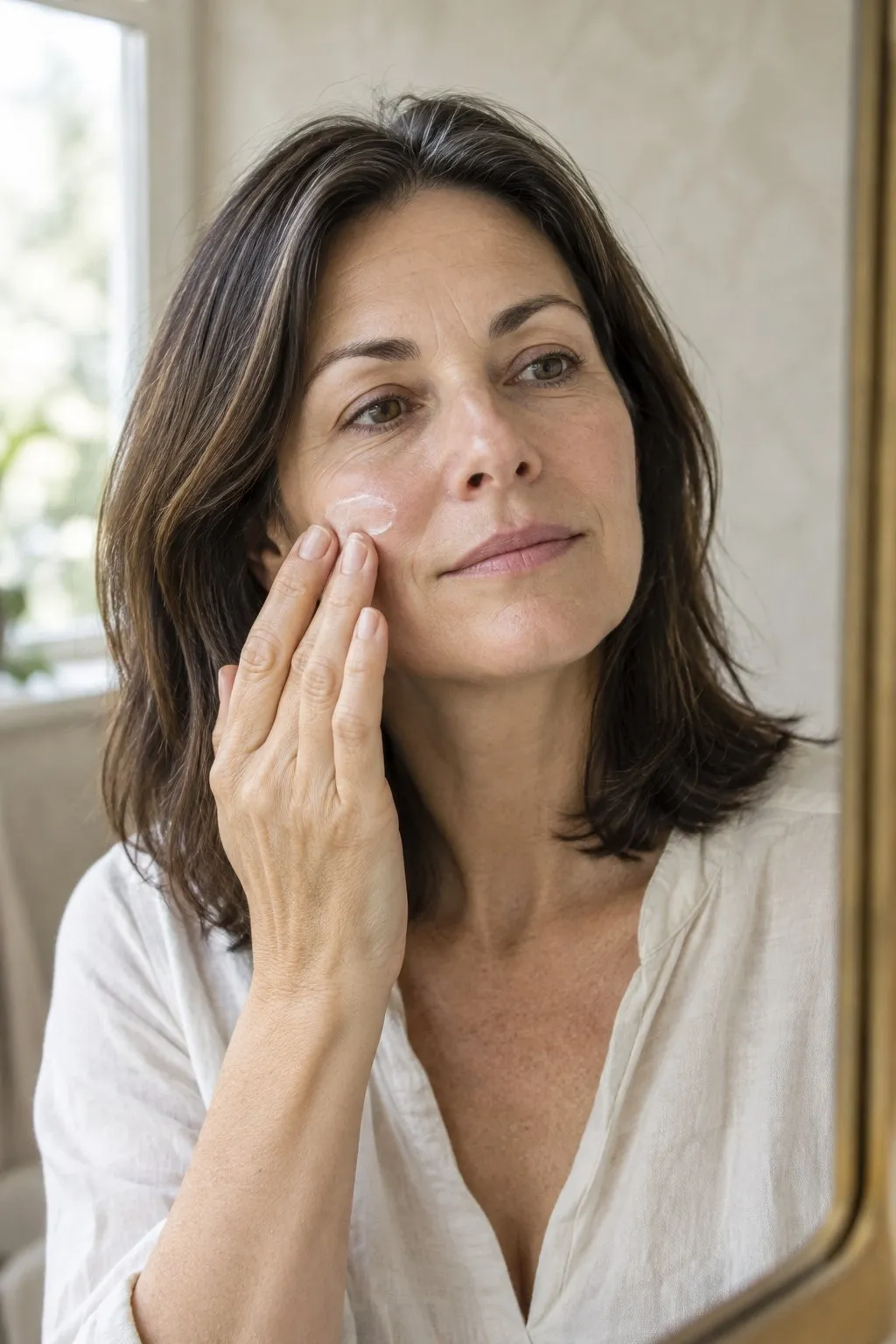
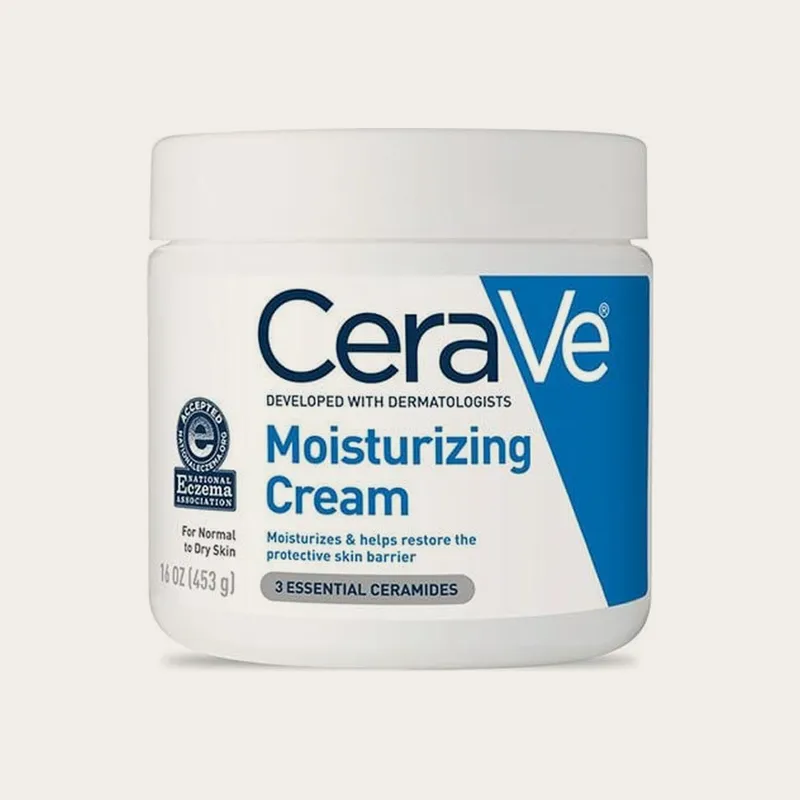
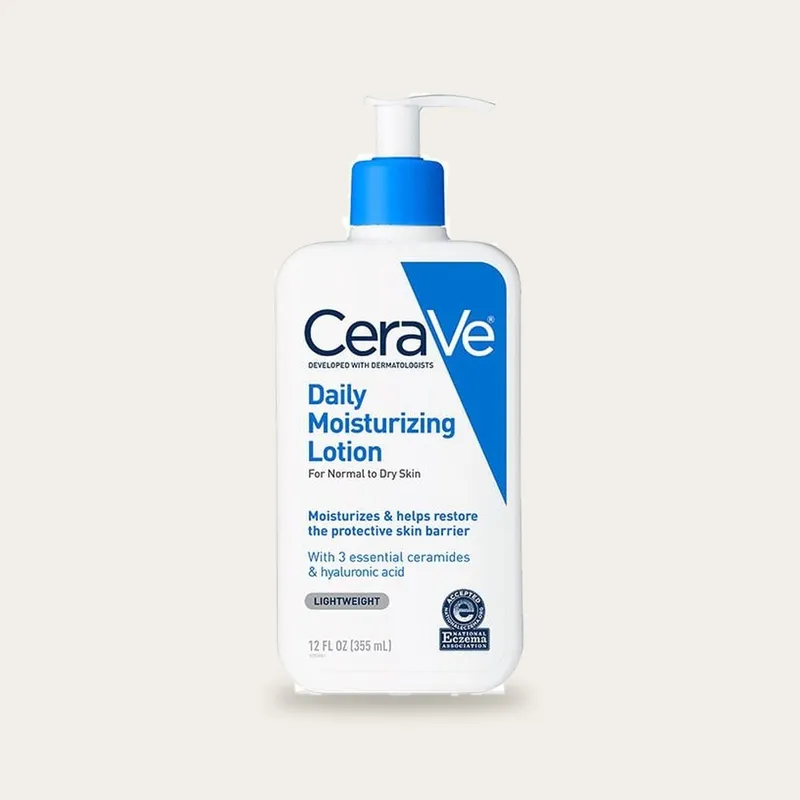
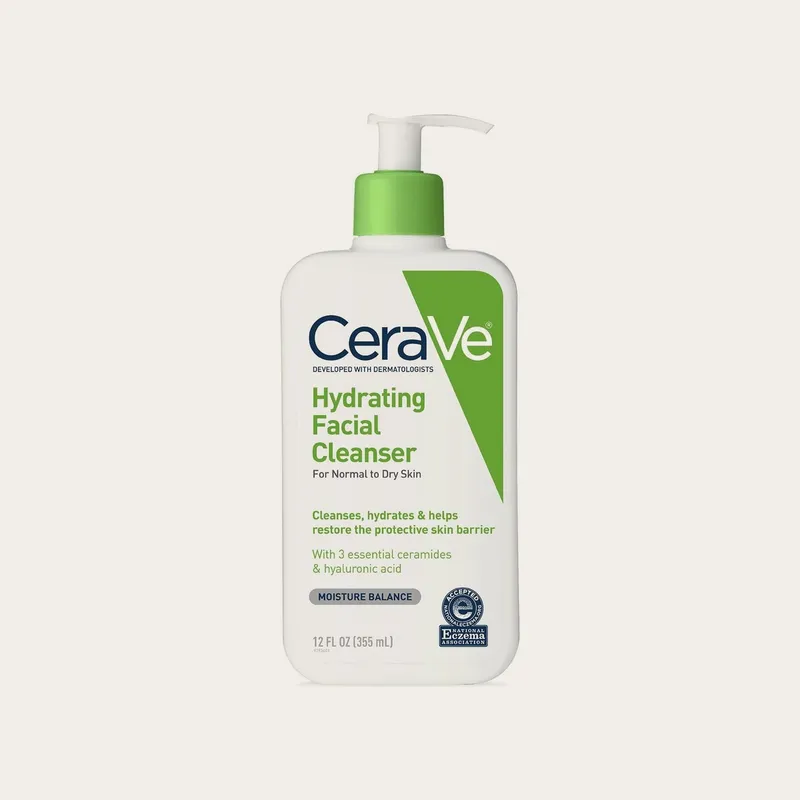
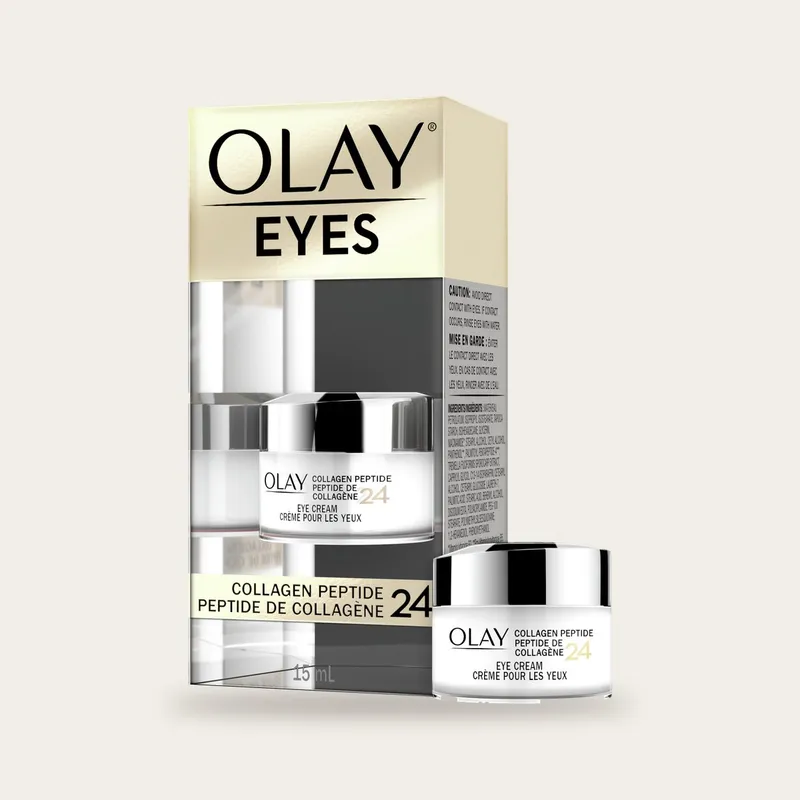

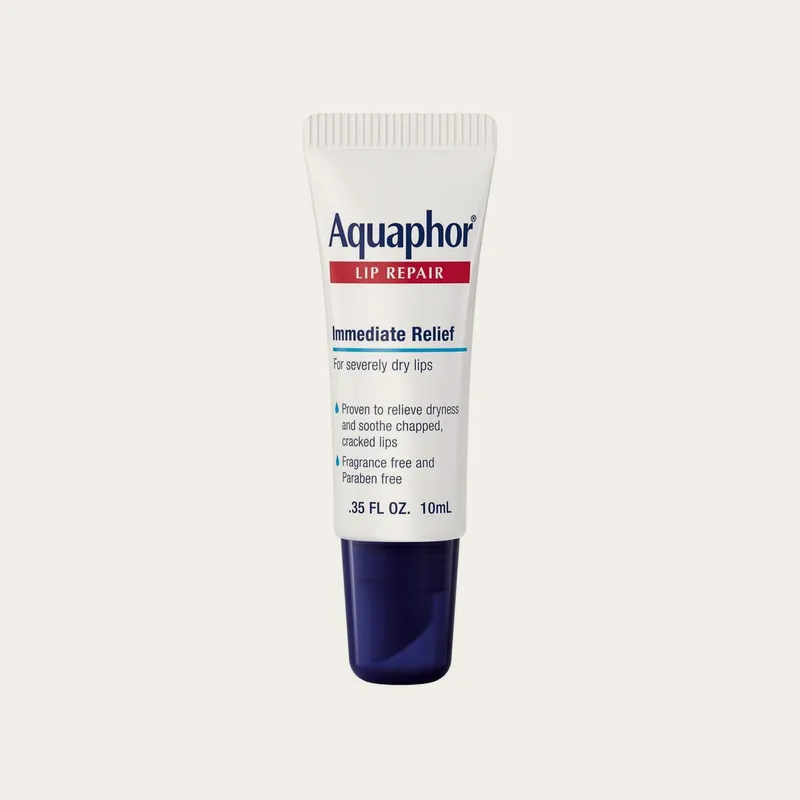

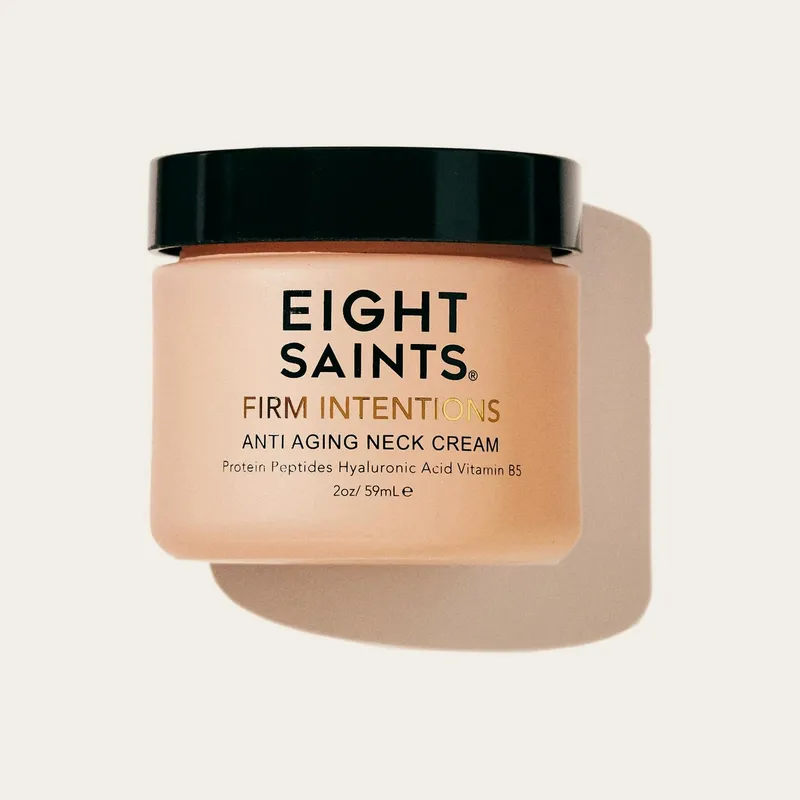
Product photographs courtesy of CeraVe, Olay Canada, Aquaphor, Eight Saints. Packaging may vary.
Compare before you buy
See how named products differ, what the evidence supports and where each option may fall short.
All guidesClear criteria.
Honest limits.
A menopause label is a starting point for questions, not proof that a product is a better fit.
See how we evaluate options →Published by Menopausal Skincare. Read our editorial standards or send a correction.
Some changes deserve a professional assessment.
If dryness persists, a rash lasts or a skin condition worsens, speak with a qualified clinician. A product can't tell you what is causing it.
Read the American Academy of Dermatology's menopause care guidance ↗