
Researched selection
Best Cream or Lotion for Menopause Itching: 5 Fragrance-Free Picks
At a glance
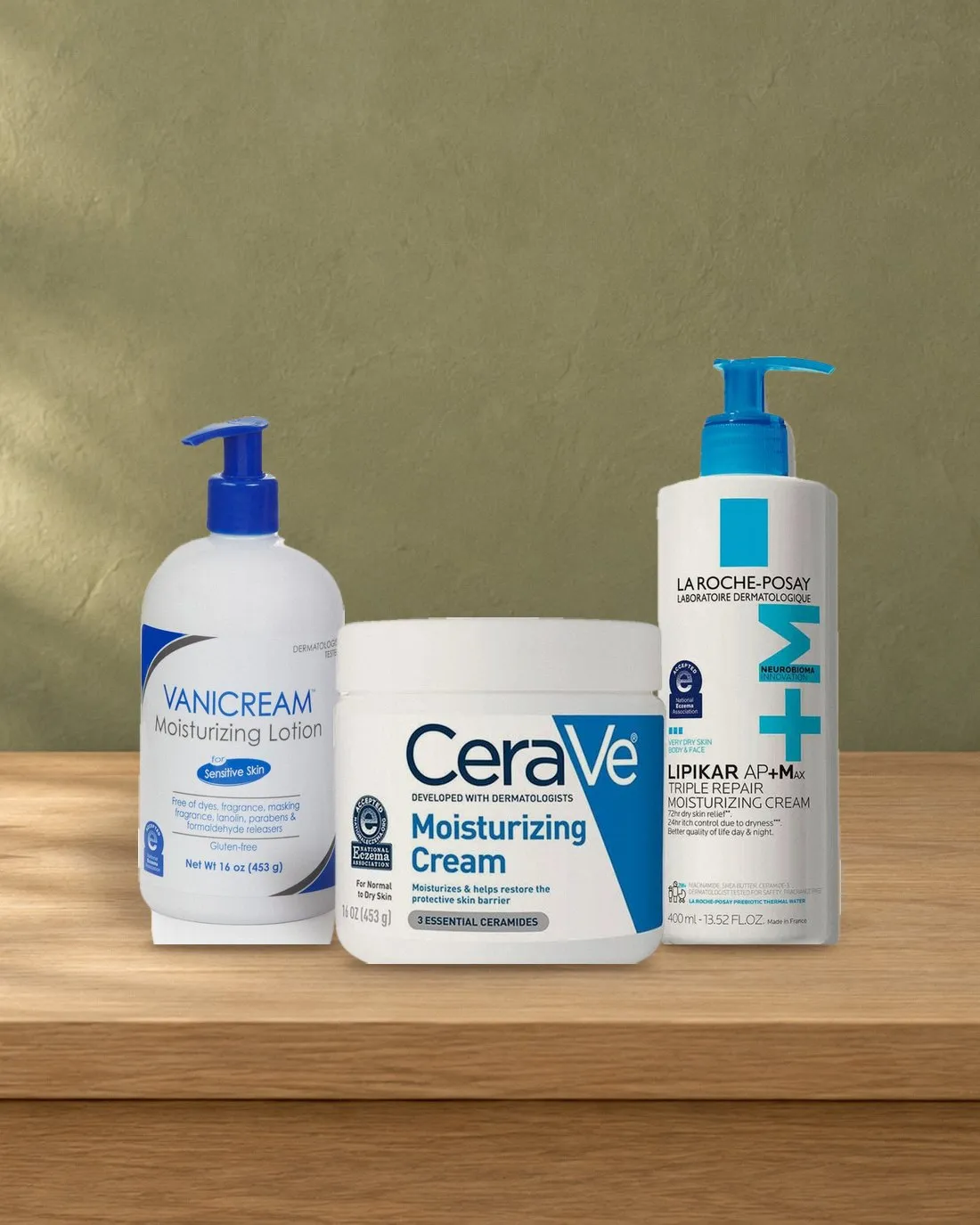
If menopause has left your skin dry and itchy, a thick, fragrance-free cream is usually the best place to start, and CeraVe Moisturizing Cream is the one we would reach for first because it pairs ceramides with glycerin and petrolatum. Prefer something lighter? Vanicream Moisturizing Lotion does the same job as a lotion. For very dry, itchy legs and arms, La Roche-Posay Lipikar AP+MAX is a richer fragrance-free cream in a pump bottle. One exception matters: itching in the vulvar or vaginal area has different causes, so take that to a clinician rather than treating it with a body cream.
Menopause can coincide with dry skin, but it does not explain every new itch. Persistent, worsening or unexplained itching, a lasting rash, or a changing spot deserves a clinician’s assessment.
Quick picks
 Check price
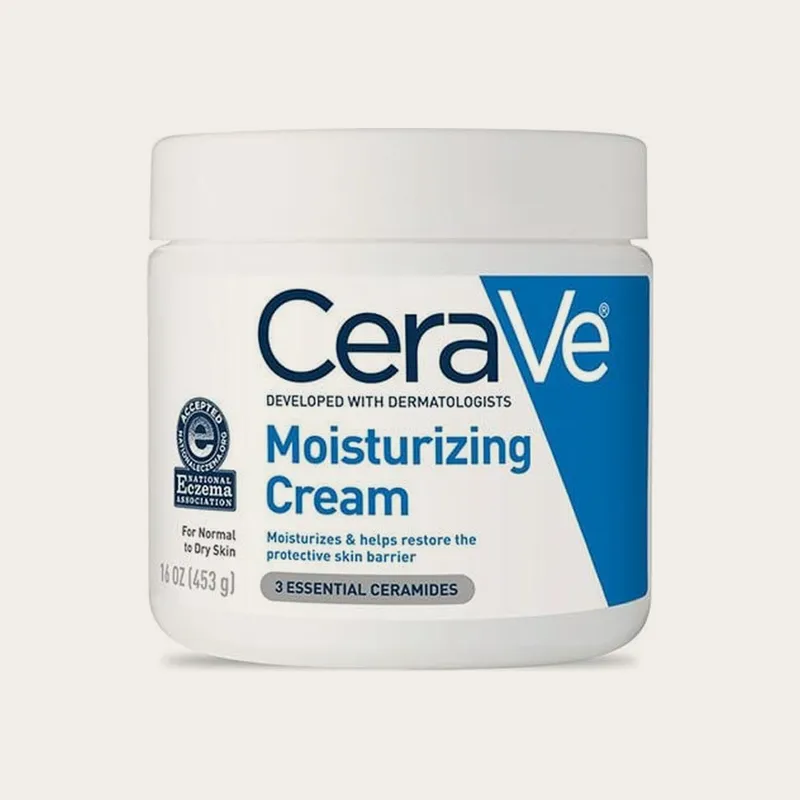
CeraVe Moisturizing Cream
Best for: One cream for dry cheeks and body areas
Downside: May feel heavier than a facial lotion
 Check price
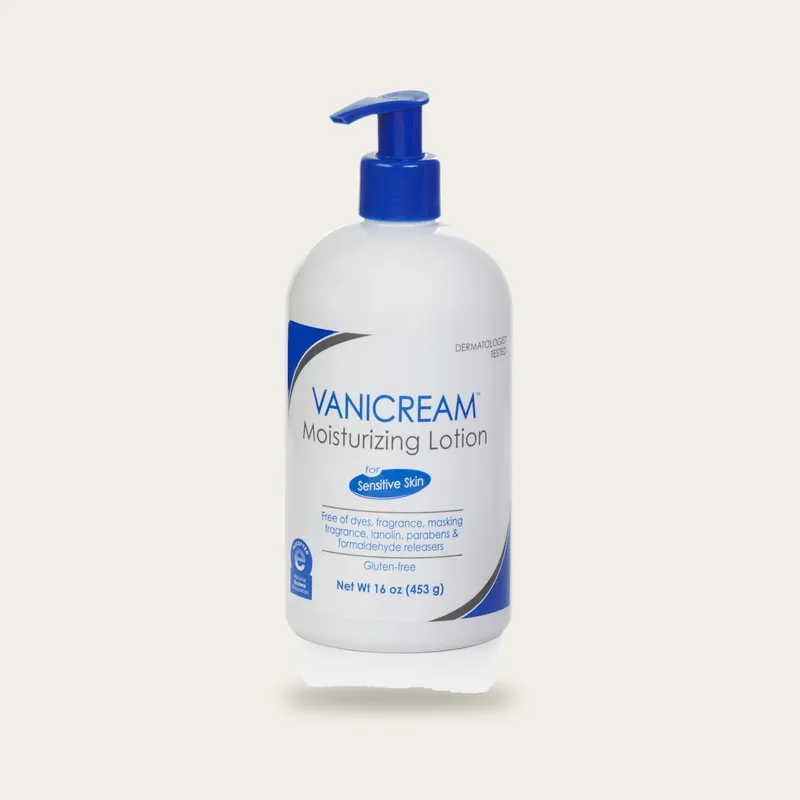
Vanicream Moisturizing Lotion
Best for: A lotion for body areas, optional on face
Downside: Contains propylene glycol
 Check price
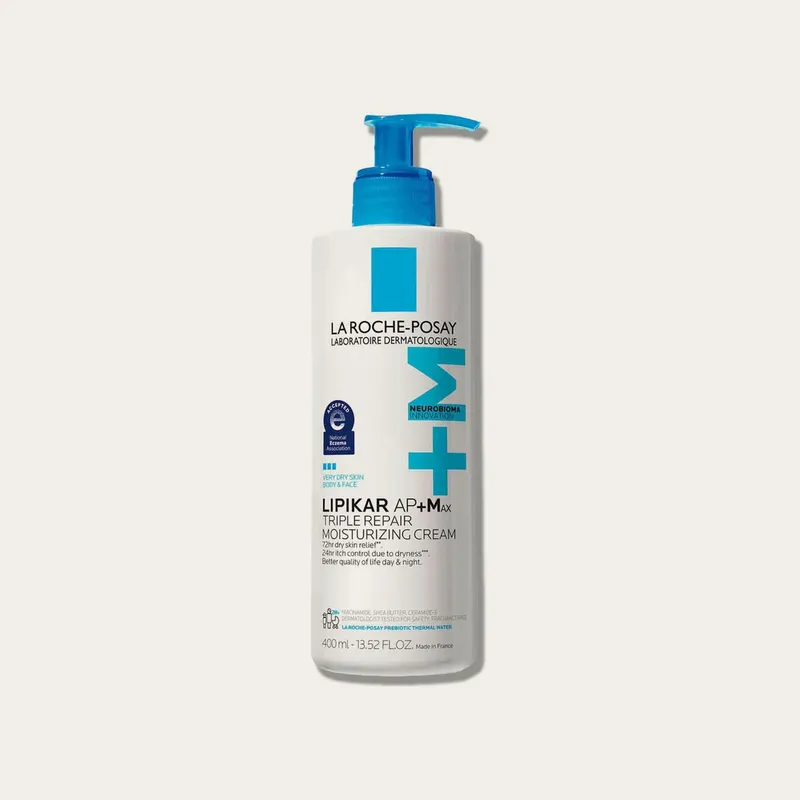
La Roche-Posay Lipikar AP+MAX Triple Repair Moisturizing Cream
Best for: Very dry, itchy legs, arms and body
Downside: Rich feel
On this page
What is the best cream for menopause itching?
For itch that comes with dry skin, the best cream is a thick, fragrance-free one with glycerin, petrolatum or ceramides. CeraVe Moisturizing Cream has all three, which is why it is our first pick. Vanicream Moisturizing Cream is the plainer choice if you avoid botanical extracts, and Lipikar AP+MAX is the richer option for very dry legs and arms. If the itch is persistent, unexplained or comes with a lasting rash, get it assessed instead of cycling through products.
What helps itchy skin all over the body?
When dry skin is behind it, a few habits help as much as the cream. The AAD’s dry-skin tips are to keep showers or baths to five to ten minutes in warm water, pat your skin dry rather than rubbing, and apply a fragrance-free moisturizer straight away while skin is still damp, then again whenever it feels dry. A humidifier in the bedroom adds moisture to dry indoor air. If your shower gel is perfumed, a fragrance-free wash is an easy swap; our body wash picks for dry, itchy skin compare a few. If the itch is severe, keeps you awake or does not ease after these steps, see a clinician: the AAD notes that long-standing itch can have causes other than dry skin.
What can calm the itch while the cream gets to work?
A moisturizer eases dryness over days, not minutes. For the itch itself, the NHS itchy-skin advice suggests patting or tapping the skin instead of scratching, holding something cool on it such as a damp towel, keeping nails short and smooth, and wearing loose cotton or silk rather than wool or tight synthetic fabrics. It also suggests a laundry product for sensitive skin and avoiding perfumed soaps, deodorants and moisturizers. A pharmacist can suggest a cooling menthol cream if you want something for a flare. If you have been wondering why this started now, our explainer on why menopause can make your skin itch walks through the common reasons.
Where is the itching?
These products are ordinary face and body moisturizers, not treatments for vulvar or vaginal itching. Menopause can bring dryness, burning, irritation or itching in and around the vagina, which calls for different advice. If that is where your symptoms are, start with a clinician rather than a body cream; the NHS menopause guide describes these vaginal symptoms. For itch on other skin, a moisturizer may help when dryness is part of the problem, but location and timing alone cannot identify the cause. The AAD notes that persistent itch can have many causes. Note the area and any visible changes to describe at an appointment. If the itch is in your armpits, start with our guide to itchy armpits in menopause, because deodorant, shaving and skin folds each point to a different fix. If you can see red patches or the skin burns, read menopause skin rash, red patches or burning before buying anything.
Which cream or lotion for menopause itchy skin?
| Product | Best fit | Formula detail | Consider another choice if… |
|---|---|---|---|
| CeraVe Moisturizing Cream | One cream for dry face and body areas | Glycerin, ceramides and petrolatum | Your current moisturizer already works or an ingredient does not suit you |
| Vanicream Moisturizing Cream | Face-and-body cream without botanical extracts | Petrolatum and sorbitol; also contains propylene glycol | You have been advised to avoid propylene glycol |
| Vanicream Moisturizing Lotion | Lighter lotion for face or body | Petrolatum, sorbitol and propylene glycol | You prefer a cream or have been advised to avoid propylene glycol |
| Vanicream Daily Facial Moisturizer | Dedicated facial lotion | Glycerin, squalane and ceramides | A lighter lotion has not been enough for your dryness |
| La Roche-Posay Lipikar AP+MAX | Richer cream for very dry body areas, in a pump | Glycerin, shea butter, niacinamide and ceramide NP | Niacinamide or shea butter has bothered you before |
Torn between the top two? Our CeraVe vs Vanicream Moisturizing Cream comparison puts the two labels side by side. The AAD menopause guide recommends mild cleansing and moisturizing for dryness. The AAD notes that itch has many possible causes.
CeraVe Moisturizing Cream: best face-and-body starting point
The US manufacturer page lists glycerin, ceramides, petrolatum, dimethicone and hyaluronic acid, and describes face and body use. If you are choosing between it and Cetaphil, see our CeraVe vs Cetaphil Moisturizing Cream comparison. Check the current container because ingredient lists can change.
Face-and-body start
- Key ingredients
- Glycerin, ceramides, petrolatum, dimethicone, hyaluronic acid
- Best for
- One cream for dry cheeks and body areas
- Time of day
- Follow the label
- Fragrance
- Fragrance-free in the checked US formula; check your package
- Size
- Check the label
- Watch out for
- A rich cream may feel heavier than a facial lotion
Vanicream Moisturizing Lotion: best lighter face-and-body route
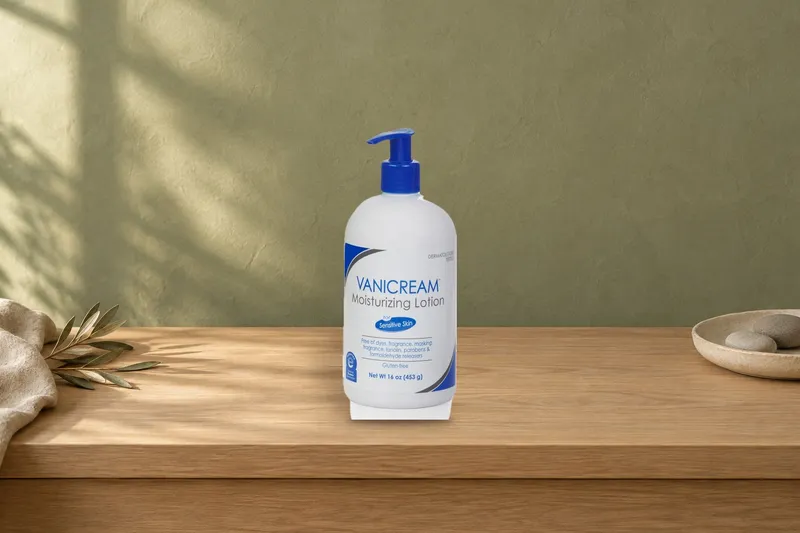
The manufacturer describes this as a lighter version of its Moisturizing Cream, for face, hands, feet and body. The fragrance-free formula contains petrolatum, sorbitol and propylene glycol.
Lighter lotion
- Key ingredients
- Petrolatum, sorbitol, propylene glycol
- Best for
- A lotion for body areas, with the option to use it on your face
- Time of day
- Follow the label
- Fragrance
- Fragrance-free
- Size
- Check the label
- Watch out for
- Contains propylene glycol; lighter format may not be your preference
Vanicream Moisturizing Cream: best botanical-free alternative
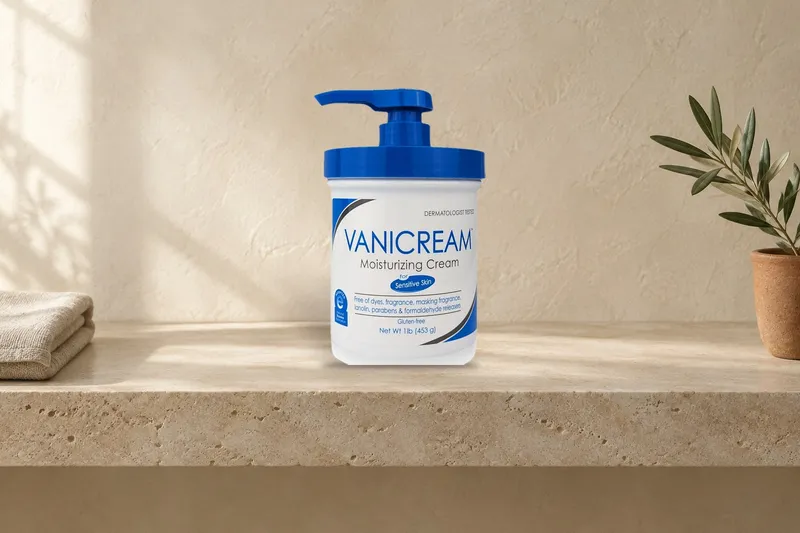
The manufacturer’s page describes face-and-body use and a formula without fragrance, botanical extracts or essential oils. Its current ingredient list includes petrolatum, sorbitol and propylene glycol.
Botanical-free pick
- Key ingredients
- Petrolatum, sorbitol, propylene glycol
- Best for
- A face-and-body cream without botanical extracts or ceramides
- Time of day
- Follow the label
- Fragrance
- Without fragrance
- Size
- Check the label
- Watch out for
- Propylene glycol, if a clinician has told you to avoid it
“Free of botanicals” does not guarantee that you will tolerate every ingredient.
Vanicream Daily Facial Moisturizer: best dedicated face lotion
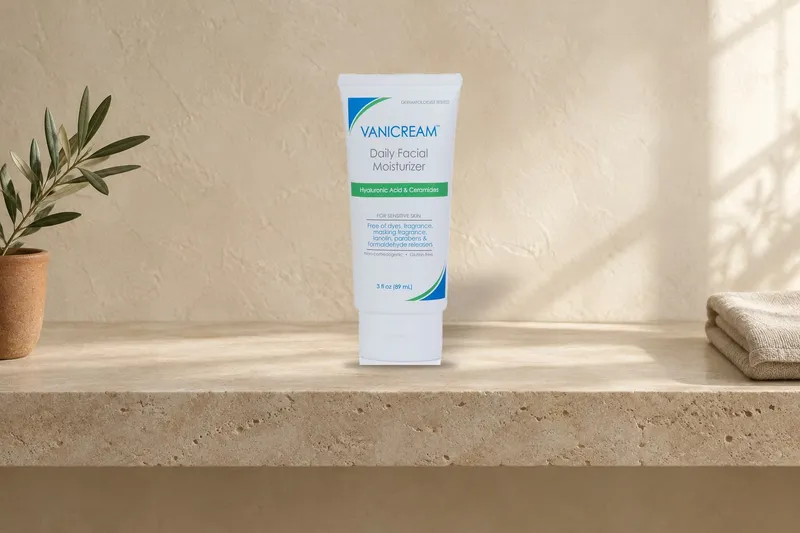
This is a different product from Vanicream Moisturizing Cream. The manufacturer’s page lists glycerin, squalane, hyaluronic acid and ceramides, with directions for facial use.
Dedicated face lotion
- Key ingredients
- Glycerin, squalane, hyaluronic acid, ceramides
- Best for
- A dedicated facial lotion instead of a larger cream on your face
- Time of day
- Follow the label
- Fragrance
- Check the label
- Size
- Check the label
- Watch out for
- A lotion may feel insufficient when facial dryness is pronounced
La Roche-Posay Lipikar AP+MAX: premium option for very dry, itchy skin
The US manufacturer page describes a fragrance-free face and body cream, and its ingredient list includes glycerin, shea butter, niacinamide and ceramide NP. It feels richer than CeraVe and comes in a pump bottle, which is easier to use on legs and arms straight after a shower. It is not a stronger itch treatment than CeraVe. Choose it if you want a richer texture or a pump. If you are weighing it against the brand’s Cicaplast Balm B5+ for small chapped patches, see Lipikar vs Cicaplast.
Premium option
- Key ingredients
- Glycerin, shea butter, niacinamide, ceramide NP
- Best for
- Very dry, itchy legs, arms and body
- Time of day
- Morning or night
- Fragrance
- None listed; brand says fragrance-free
- Size
- 13.5 fl oz (400 ml) pump
- Watch out for
- Rich feel; contains niacinamide and shea butter
Best body lotion for menopause itchy skin
Vanicream Moisturizing Lotion is the lighter face-and-body choice here. For very dry, itchy legs and arms, La Roche-Posay Lipikar AP+MAX is a richer fragrance-free cream in a pump bottle. Our body lotion guide compares more options for larger areas.
What to look for in a cream or lotion for menopausal itch
- Barrier and humectant ingredients. The AAD’s dry-skin advice lists glycerin, hyaluronic acid, dimethicone and petrolatum among ingredients to look for. Ceramides are another common barrier ingredient, found in CeraVe and Vanicream Daily Facial Moisturizer.
- A thicker texture. The AAD says creams and ointments add more moisture than lotions. If a lotion wears off quickly, move to a cream.
- Fragrance-free. The AAD notes that “unscented” products can contain chemicals that mask odors and can irritate dry, sensitive skin. Our fragrance-free moisturizer list checks 23 labels for this.
- Skip anti-itch products until you ask. Many contain ingredients that can irritate very dry skin, so the AAD suggests asking a dermatologist first.
- Urea for rough patches. Rough, thick skin on the shins or feet may need a urea lotion as well as a cream. Our urea lotion comparison explains the percentages and who should skip them. For cracked heels, knuckles or other small split patches, a protective ointment is often the better fit; see CeraVe Healing Ointment vs Moisturizing Cream.
Moisturizer or anti-itch lotion?
A moisturizer treats the dryness behind ordinary itch. An anti-itch lotion adds an active ingredient for short-term relief. CeraVe Itch Relief Moisturizing Lotion contains 1% pramoxine, a topical anesthetic, with ceramides, glycerin and niacinamide. Its label is for temporary relief of itching from minor skin irritation, applied to the affected area no more than three or four times a day, so it is a spot treatment, not an all-over body lotion. It also lists alcohol denat. Because the AAD suggests asking a dermatologist before using anti-itch products on very dry skin, check first. Needing one for more than a short spell is a reason to get the itch looked at.
How to use a moisturizer for itchy skin
Apply moisturizer while skin is still damp after a shower or bath, after washing your hands, and whenever skin feels dry, as the AAD advises. Keep showers short and pat dry rather than rubbing. Avoid scrubbing an itchy patch. If the itch is severe, keeps you awake or does not ease with a thick moisturizer, see a clinician. If it mainly bothers you at night, our guide to itchy skin in menopause covers what to try and when to get checked.
Does the itch need more than a cream?
Note when and where the itch started, whether there is a rash, and any new product. This helps a clinician assess it but is not a diagnosis. A small-area cosmetic test cannot rule out allergy or guarantee future tolerance.
Which creamy cleanser should I buy for menopausal dryness?
Choose a gentle cream cleanser that removes what you wear without leaving skin tight. If your present cleanser does that, keep it. Our gentle cleanser comparison separates daily washing from makeup and water-resistant sunscreen removal, and checks each product’s rinse-off or wipe-off directions. A cleanser is not a treatment for unexplained itch.
Does Vanicream Daily Facial Moisturizer have niacinamide?
No. The current US ingredient list on the manufacturer’s page does not list niacinamide. It includes glycerin, squalane, hyaluronic acid and ceramides. This answer applies to Daily Facial Moisturizer, not every Vanicream product. Check your actual package because formulas can change.
Why can skin itch during perimenopause?
Dryness is the most common reason. The AAD’s menopause skin guide says skin loses some ability to hold water in menopause, so it can get quite dry, especially when the air is dry, and that rashes and easily irritated skin become more likely. Itch also has other possible causes, so timing alone cannot tell you why it started. A rash or itch that persists or worsens needs a clinician’s assessment. Our explainer on why menopause can make your skin itch goes into more detail.
Is there a cooling cream for menopause itching?
Yes, but it is a different kind of product from a moisturizer. The NHS says a pharmacist can recommend menthol creams that work by cooling the skin. Use one for short spells on the itchy patch and keep the fragrance-free moisturizer as your everyday base. Because the AAD suggests asking a dermatologist before using anti-itch products on very dry skin, mention any dryness or cracking when you ask. A cool, damp towel gives the same kind of relief for nothing.
Which of these is the budget pick?
CeraVe Moisturizing Cream and the Vanicream creams and lotion are the drugstore-priced options here; Lipikar AP+MAX is the premium one. A large tub of a plain cream usually goes further on legs and arms than a small tube of something pricier. If you are in the UK, CeraVe sells a Moisturising Cream there, which CeraVe UK describes with three ceramides and hyaluronic acid for dry to very dry skin. Formulas vary by country, so read the label on the pack you buy. Our budget skincare shopping list covers the rest of a low-cost routine.
Which cream helps an itchy, dry face?
CeraVe Moisturizing Cream works on dry cheeks as well as the body, and Vanicream Daily Facial Moisturizer is the lighter face-only choice. Keep the rest of your face routine plain for a couple of weeks so you can tell what is helping. If your face stings, burns or looks red and patchy, our guide to suddenly sensitive menopausal skin explains what to simplify first.
What if my skin is dry and less firm, not itchy?
Then this page is not the right starting point. For dryness without itch, our moisturizers for menopausal dry skin compare eight picks. For firmness, see anti-aging creams for menopausal skin and our look at whether peptides work on mature skin. If itch is also part of the picture, sort that out first with a plain cream, then add one active product at a time.
What is the best lotion for perimenopause itchy skin?
Vanicream Moisturizing Lotion is the face-and-body lotion here, and Daily Facial Moisturizer is made for the face. Lotions are lighter than creams, so choose a cream if dryness returns within a few hours.
Should I use a cream or lotion for itchy dry skin?
A cream, for very dry or itchy patches. The AAD says creams and ointments add more moisture and work better than lotions. Use a lotion if you prefer the feel and it keeps skin comfortable.
What should I use for itchy skin in the vulvar or vaginal area?
See a clinician rather than using a body cream. The NHS lists dryness, burning, irritation or itching in and around the vagina as menopause symptoms, and they call for different advice than dry skin elsewhere.
This guide is for skin on the face and body. It does not cover vulvar or vaginal itching, which has different causes and needs care from a qualified clinician.
Your next step
For dry, itchy face or body skin, compare CeraVe Moisturizing Cream with your current product first. Choose Vanicream Moisturizing Lotion if you want a lighter format, Daily Facial Moisturizer for a face-specific lotion, or Lipikar AP+MAX if your legs and arms need something richer. Keep a product that already works; get persistent itch assessed.
Manufacturer formulas and directions checked October 19 and 24, 2026; the CeraVe UK product page checked November 3, 2026. AAD and NHS guidance on itch and menopause symptoms reviewed October 19 and 24 and November 3, 2026. Retailer stock, packaging and formulas can change; confirm the product label before use. These researched selections do not claim to treat a medical condition.
Compare before you buy
Shop the products discussed
Choose a product for the job it fills. Check the selected size, current package ingredients and seller before ordering.
Shopping outside the US? The store may take you to a local site in supported countries. Our product research covers the US formulas. Products, sizes, ingredients and availability can differ by country. Check the local listing before buying.
Photo: CeraVe · Pictured: 16 oz jar
CeraVe Moisturizing Cream
Linked size: 19 oz
Check price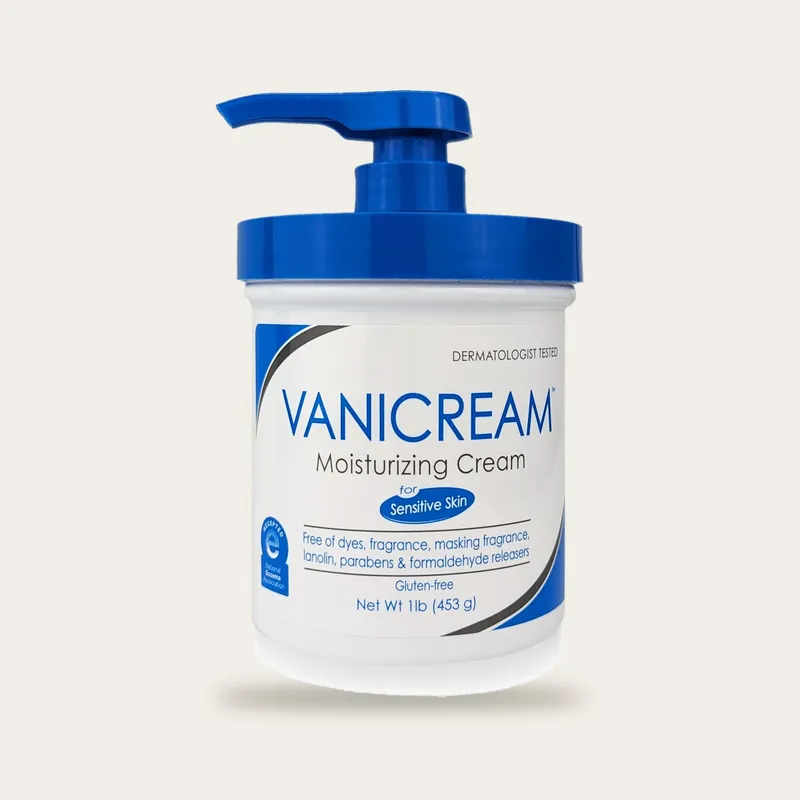
Photo: Vanicream · Pictured: 16 oz pump
Vanicream Moisturizing Cream
Linked size: 16 oz pump
Check price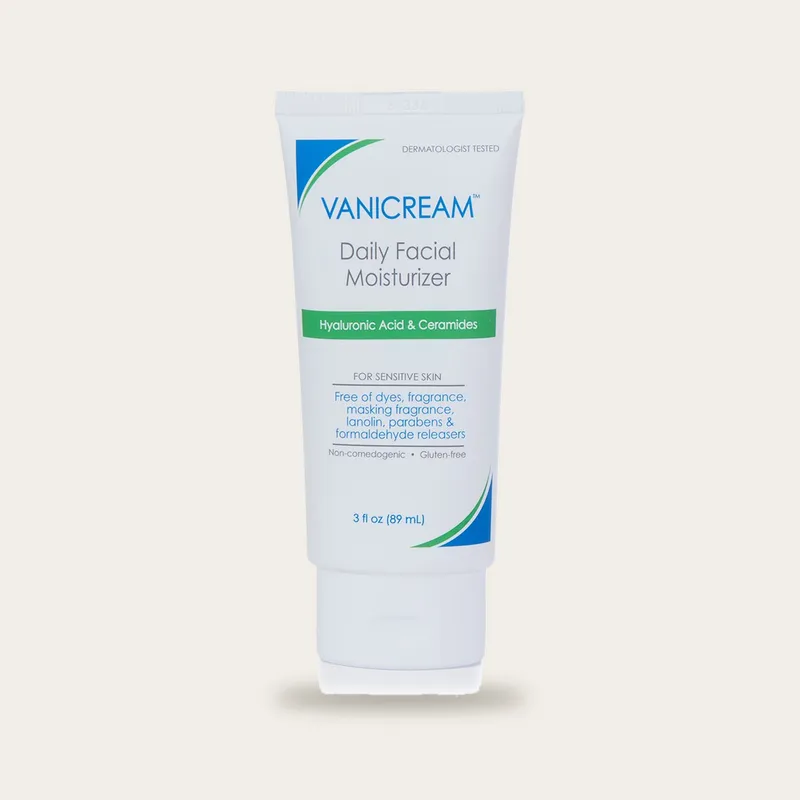
Photo: Vanicream · Pictured: 3 fl oz
Vanicream Daily Facial Moisturizer
Linked size: 3 fl oz
Check pricePhoto: Vanicream · Pictured: 16 oz pump
Vanicream Moisturizing Lotion
Linked size: 16 oz pump (net weight)
Check pricePhoto: La Roche-Posay · Pictured: 400 ml (13.52 fl oz) pump
La Roche-Posay Lipikar AP+MAX Triple Repair Moisturizing Cream
Linked size: 13.5 fl oz (400 ml) pump
Check price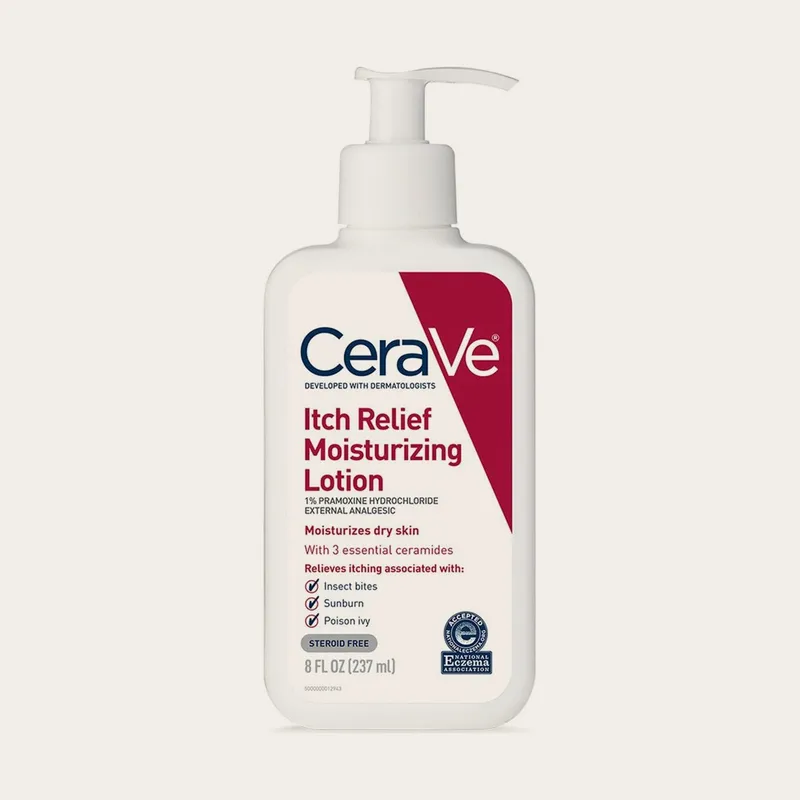
Photo: CeraVe · Pictured: 8 fl oz bottle
CeraVe Itch Relief Moisturizing Lotion
Linked size: 16 oz bottle
Check priceProduct buttons and linked photos are affiliate links. Stock, sellers and packaging can change. Each card names the linked size.