Real-life guide
Tretinoin vs retinol for menopausal skin: how to start
At a glance
Prescription tretinoin has the strongest clinical evidence for fine lines and uneven tone, while over-the-counter retinol is slower and usually easier for dry menopausal skin to tolerate. Whichever one you choose, pair it with a plain fragrance-free barrier cream and daily SPF 30 or higher, and start just two nights a week. If your barrier already stings from plain moisturizer, calm your skin before adding any retinoid.
After menopause, skin holds less water and thins more quickly, which makes retinoid peeling hit harder than it did in your thirties. The American Academy of Dermatology (AAD) advises starting with the least intense formula, applying moisturizer first if irritation shows up, and skipping retinoids if pregnancy is possible. These product picks are researched from manufacturer labels and clinical guidance, not wear-tested.
Our favorite picks at a glance
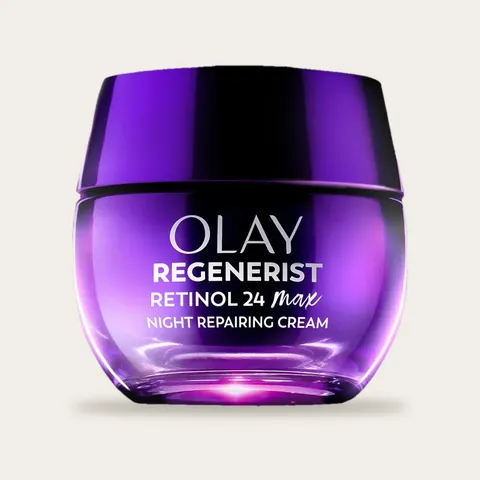
Olay Regenerist Retinol 24 MAX Night Moisturizer
Best if: Gentle fragrance-free OTC retinol starter in a cream base
Skip if: Exact retinol percentage is not published
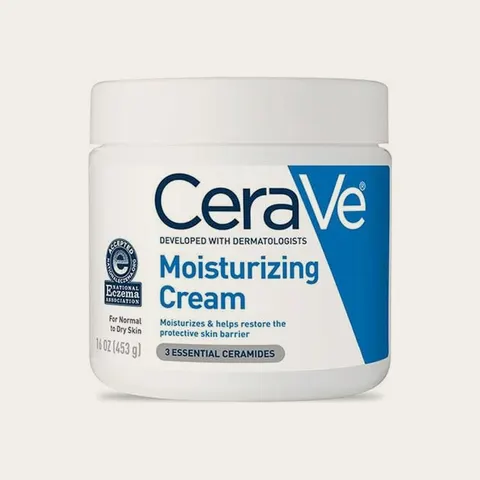
CeraVe Moisturizing Cream
Best if: Buffering barrier cream before or after a retinoid
Skip if: Rich jar cream may feel heavy on oily areas
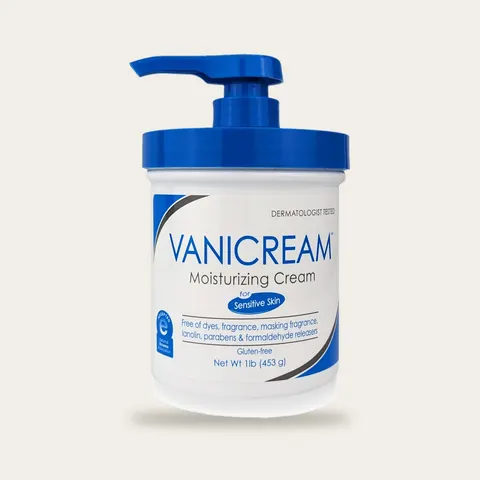
Vanicream Moisturizing Cream
Best if: Minimalist fragrance-free buffering cream for reactive skin
Skip if: No ceramides or niacinamide
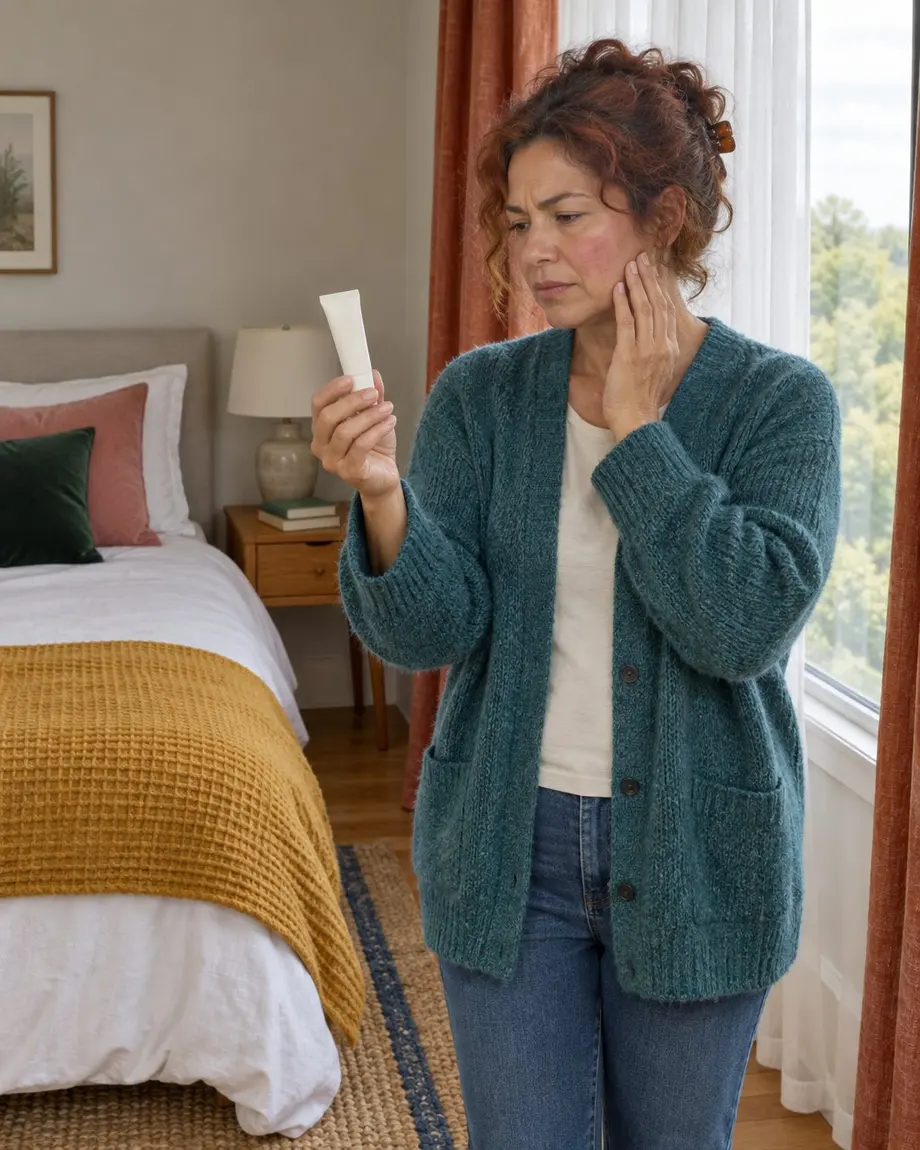
Tretinoin vs retinol vs adapalene at a glance
| Feature | Prescription tretinoin | OTC retinol | OTC adapalene 0.1% |
|---|---|---|---|
| Access | Prescription only | Over the counter | Over the counter (US) |
| Conversion needed | Already active retinoic acid | Skin converts it in two steps | Synthetic retinoid receptor-selective |
| Main evidence | Photoaging, wrinkles and dark spots (FDA-approved strengths) | Milder texture and fine-line improvement over months | FDA-approved for acne; studied off-label for photoaging |
| Irritation risk on dry skin | Highest; peeling and redness are common early | Lower, varies by formula | Moderate; drying around mouth and eyes |
| Researched example | Prescribed by a clinician (often 0.025% cream to start) | Olay Regenerist Retinol 24 MAX | Differin Gel 0.1% Adapalene |
Why tretinoin feels harsher in menopause
Tretinoin acts directly on skin receptors without waiting for skin enzymes to convert it. That direct activity explains both its stronger clinical track record and why a peer-reviewed retinoid review links topical retinoids with dryness, redness and flaking. DermNet’s topical retinoids guide notes that retinoid dermatitis happens most often around the eyelids, mouth corners and neck creases.
Because the AAD’s menopause skin guidance highlights both dryness and thinning skin as estrogen falls, jumping straight into nightly 0.05% tretinoin often leaves cheeks sore enough that people quit within three weeks. A prescriber can start lower (such as 0.025% cream) or have you use it only twice weekly at first.
When over-the-counter retinol or adapalene makes more sense
- Start with OTC retinol if you want a slower, gentler entry without a clinic visit. Olay Regenerist Retinol 24 MAX Night Moisturizer puts its retinoid complex inside a fragrance-free moisturizing base with niacinamide. Its downside is that Olay does not publish the exact retinol percentage, and you should skip it if niacinamide bothers you.
- Consider OTC adapalene if perimenopausal breakouts and texture show up together. Differin Gel 0.1% Adapalene is FDA-approved for acne and uses a clear, known concentration, though it is a gel rather than a cream and can dry out mature cheeks without steady moisturizing.
Cleveland Clinic’s retinol overview notes that visible smoothing takes months, not days, and mild dryness early on usually settles as skin adjusts.
Barrier creams that help you stay consistent
Retinoids only work if your skin stays calm enough to keep using them. Pair your night step with one simple, fragrance-free cream rather than stacking serums:
- CeraVe Moisturizing Cream: Fragrance-free petrolatum, glycerin and three ceramides for dry cheeks that tighten on retinoid nights.
- Vanicream Moisturizing Cream: Shortest ingredient list when you want zero niacinamide, zero fragrance and minimal triggers while adjusting.
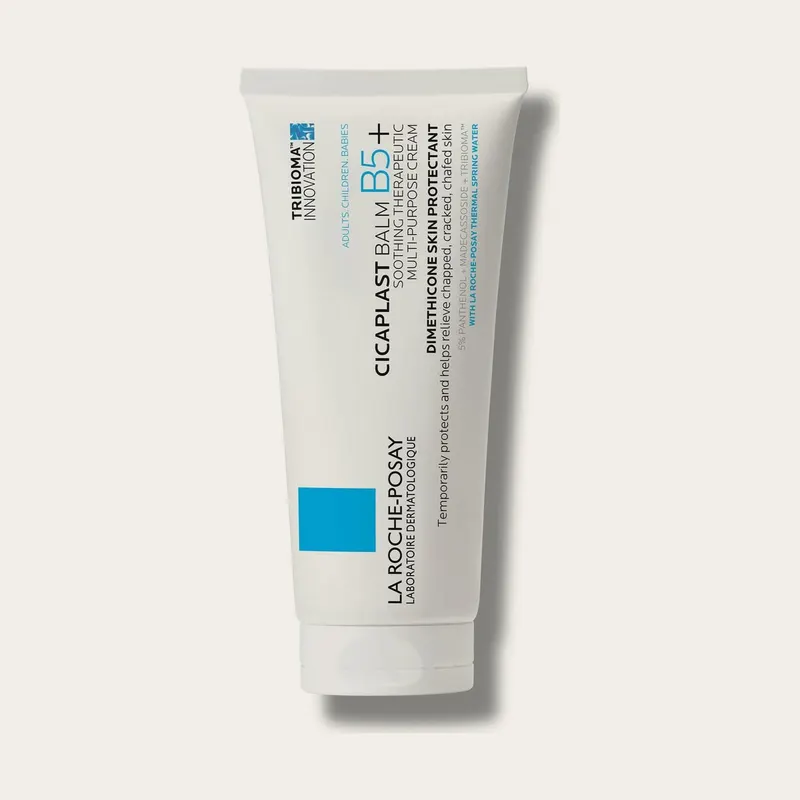
- La Roche-Posay Cicaplast Balm B5+: Thick panthenol and dimethicone balm useful as a small protective dab on flaking corners of the nose or dry patches on off-nights (keep it away from your eyes and skip it as an all-over daily face cream if heavy balms clog your pores).
How to start tretinoin or retinol without wrecking your barrier
- Stabilize for two weeks first. Use a gentle cleanser, plain moisturizer and broad-spectrum SPF 30 or higher until your skin no longer feels tight.
- Use a pea-sized amount on dry skin. Damp skin absorbs retinoids faster and stings more. Avoid eyelids, lip corners and nasal creases.
- Buffer with moisturizer first. The AAD notes that applying moisturizer before a retinoid and using it less often helps reduce irritation.
- Start two nights a week for four weeks, then add a third night only if flaking and stinging stay absent.
- Pause exfoliating acids and scrubs. Do not layer glycolic acid, lactic acid or vitamin C on retinoid nights. If your face starts burning, follow our retinol irritation recovery guide.
When to skip retinoids or talk to a clinician
You do not have to use a retinoid to have healthy menopausal skin; daily sunscreen and plain moisture still do major work. See a dermatologist or prescriber if you want prescription tretinoin, have rosacea that flushes easily, or get persistent burning, swelling or an itchy spreading rash. If you are weighing prescription hormones alongside retinoids, compare estriol cream vs retinol for menopausal skin.
Questions about tretinoin and retinol in menopause
Is 0.025% tretinoin better than OTC retinol after 50?
Tretinoin 0.025% has stronger published evidence for fine lines and photoaging than cosmetic retinol, but only if you tolerate it consistently. A gentle OTC retinol used comfortably three nights a week beats a prescription tube that sits unused because it hurts.
Can I put Cicaplast Balm B5+ directly over tretinoin?
Thick occlusive balms applied directly on top of prescription tretinoin can trap the retinoid and increase stinging for some people. Most sensitive-skin routines do better using a plain cream before tretinoin and saving thick spot balms for off-nights.
How long does tretinoin take to show results on mature skin?
Expect three to six months of consistent use plus daily SPF 30 or higher before judging fine-line or tone changes.
Sources checked November 23, 2026: AAD, DermNet, Cleveland Clinic, PMC6835300 and US manufacturer product pages linked above.
Products mentioned in this guide
Shopping outside the US? The store may take you to a local site in supported countries. Our product research covers the US formulas. Products, sizes, ingredients and availability can differ by country. Check the local listing before buying.
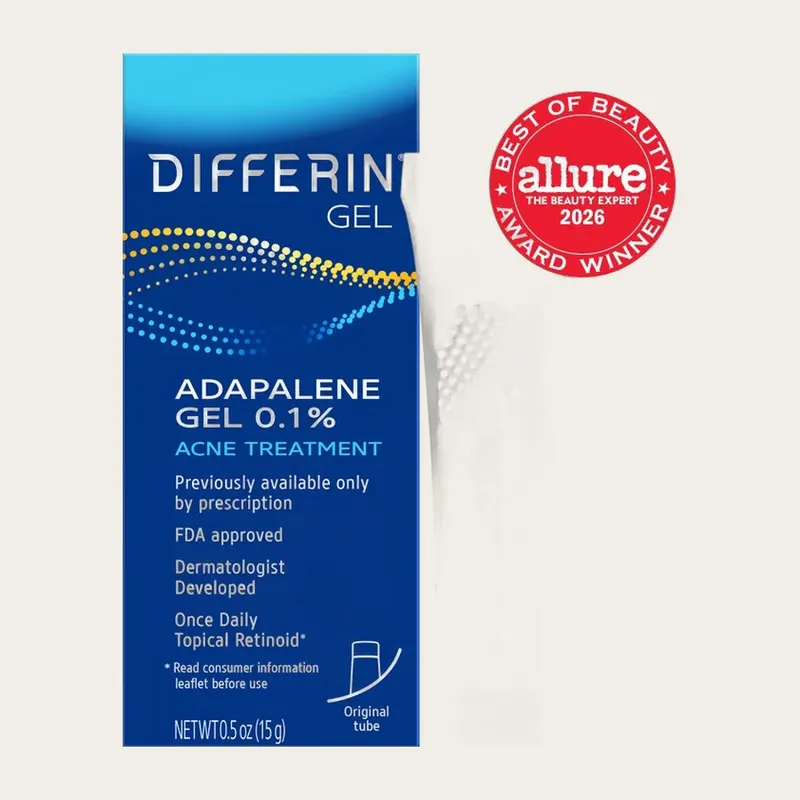
Differin Gel 0.1% Adapalene Acne Treatment
Check current price on Amazon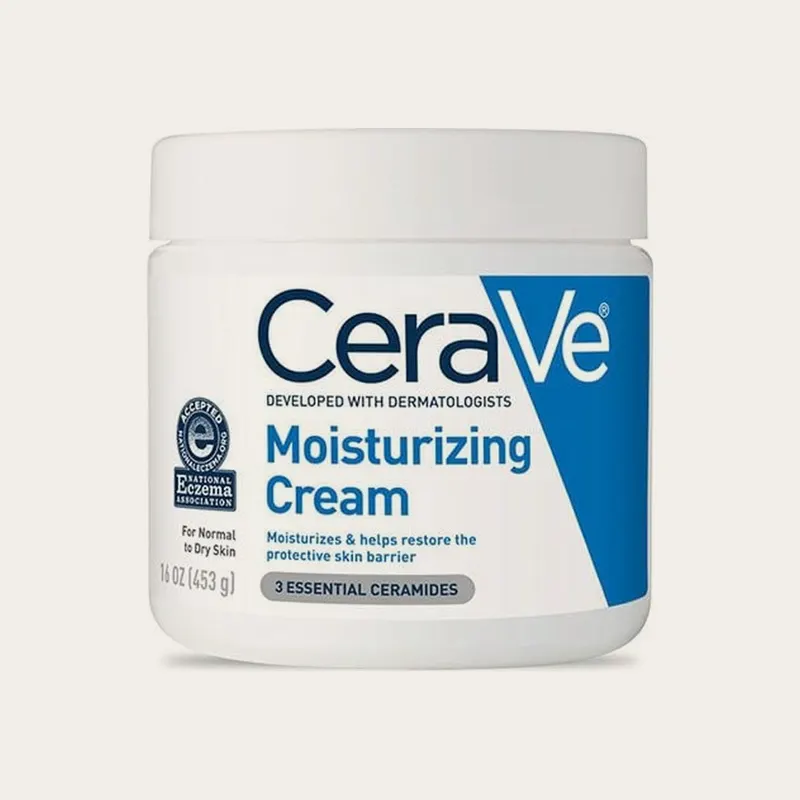
CeraVe Moisturizing Cream
Check current price on Amazon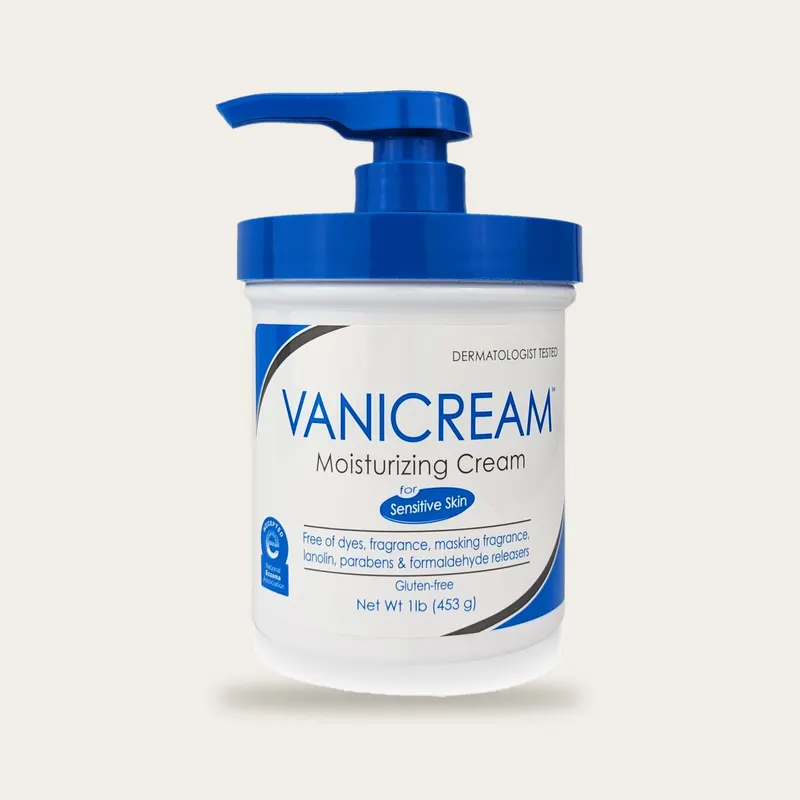
Vanicream Moisturizing Cream
Check current price on Amazon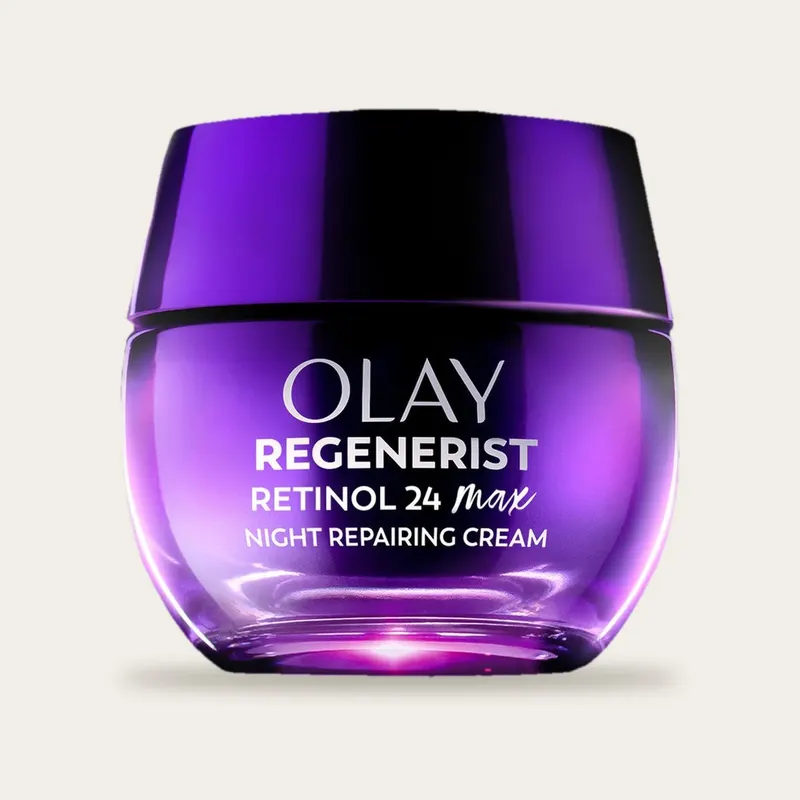
Olay Regenerist Retinol 24 MAX Night Moisturizer
Check current price on Amazon