Honest comparison
Estriol cream vs retinol for menopausal skin: evidence
At a glance
Retinol and prescription retinoids have decades of strong clinical evidence and clear FDA regulation for sun-aged skin, while compounded estriol face cream rests on two small 1990s studies, is not FDA-approved, and leaves long-term hormone safety unmeasured. Start with daily SPF 30+, a plain moisturizer and a tolerated retinoid first; treat estriol face cream strictly as a medical question to discuss with a clinician who knows your history.
Around menopause, falling estrogen speeds collagen loss and makes fine lines and thinning skin show up quickly, per the American Academy of Dermatology (AAD). That makes it tempting to compare topical hormones directly against classic vitamin A creams. Here is how the published evidence actually lines up.
Our favorite picks at a glance
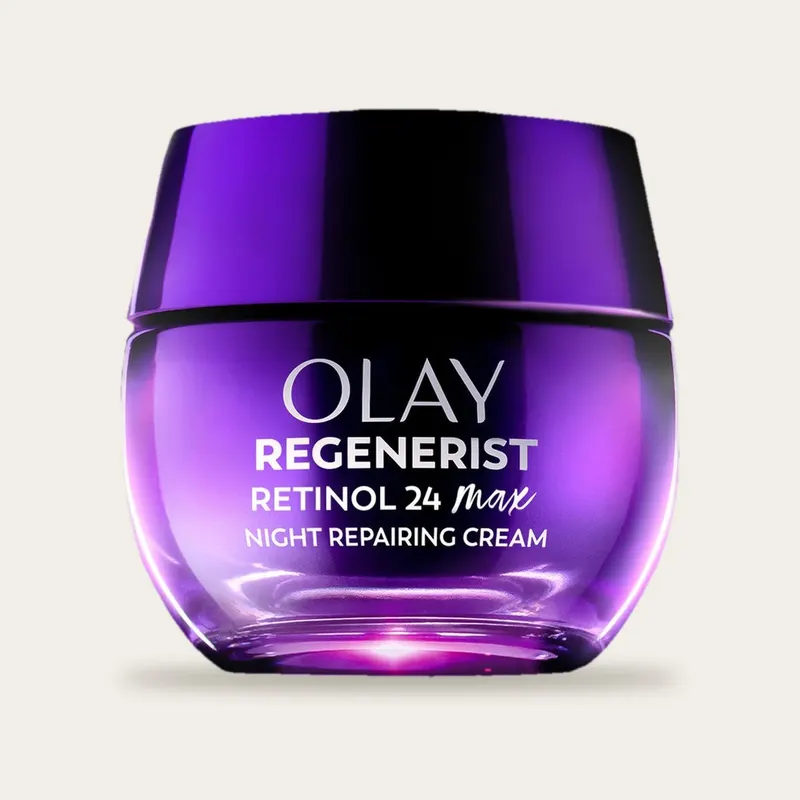
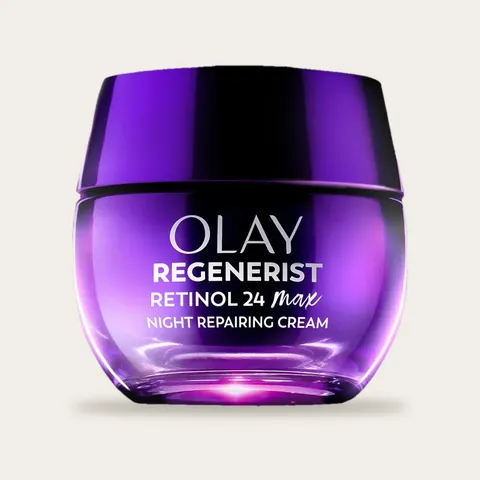
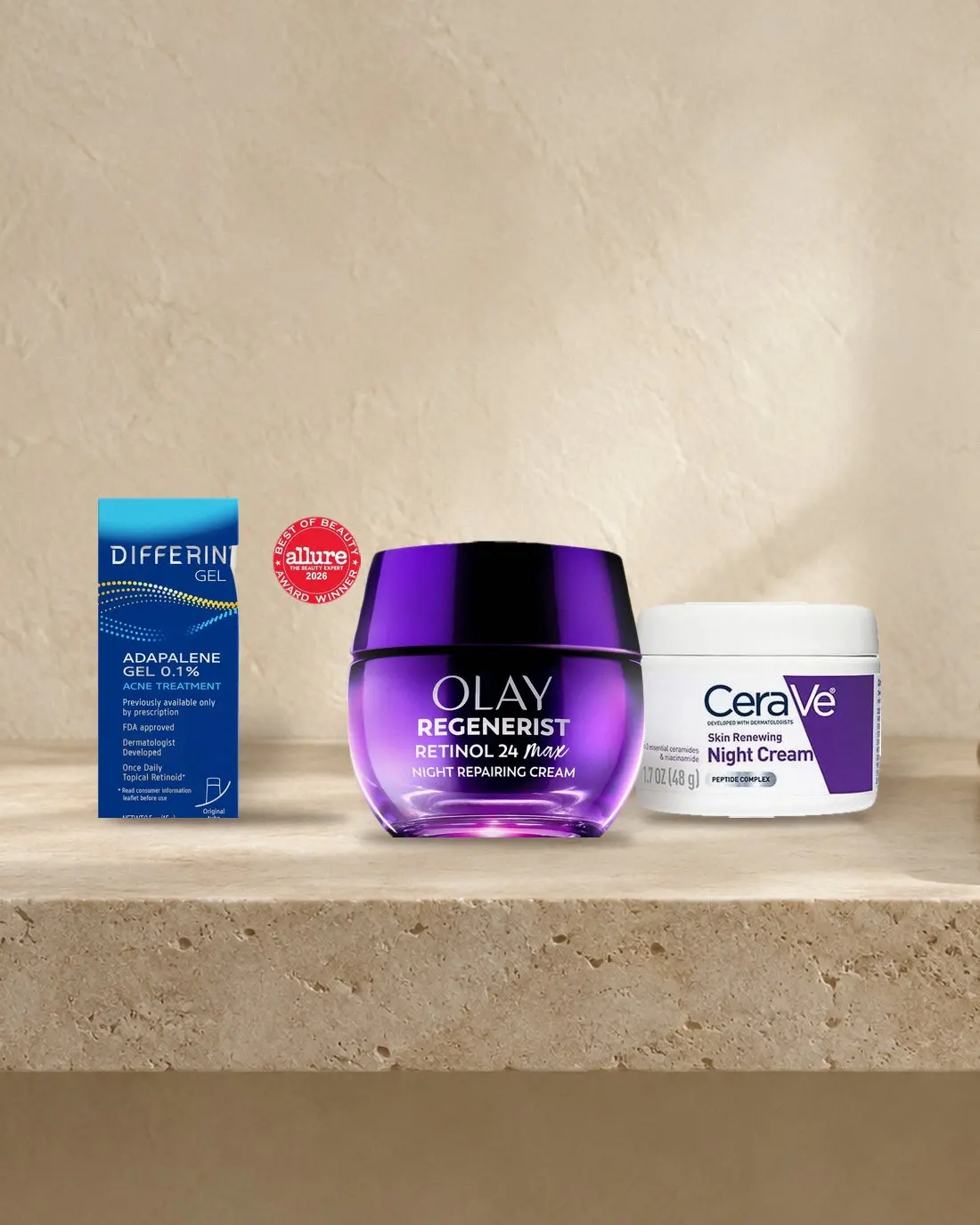
Olay Regenerist Retinol 24 MAX Night Moisturizer
Best if: Gentle fragrance-free OTC retinol starter with niacinamide
Skip if: Exact retinol strength is unpublished; slower than prescription tretinoin
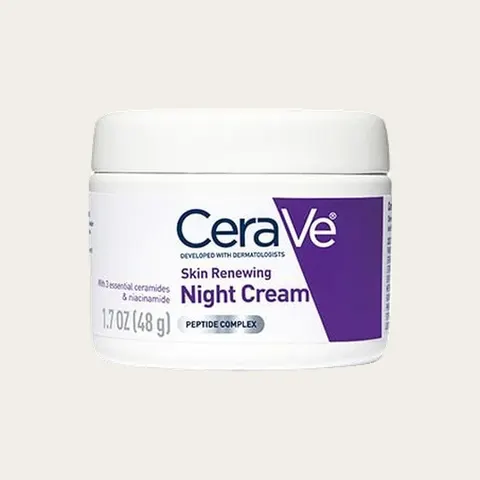
CeraVe Skin Renewing Night Cream
Best if: Non-retinoid peptide and ceramide night cream if retinoids sting
Skip if: Modest evidence compared with retinoids
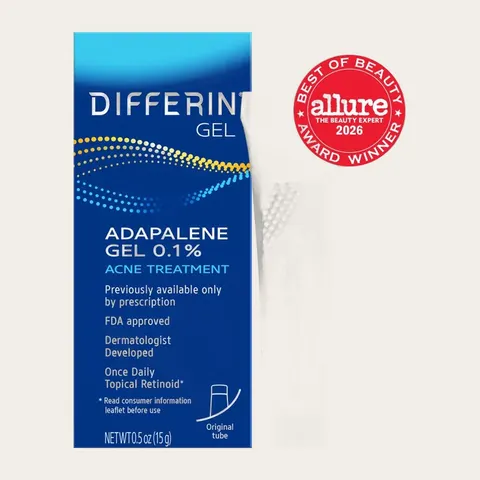
Differin Gel 0.1% Adapalene Acne Treatment
Best if: Known-strength 0.1% OTC retinoid (adapalene) for acne-prone mature skin
Skip if: Acne-labelled gel; can dry out mature cheeks
Estriol face cream vs retinol vs prescription tretinoin
| Factor | Compounded estriol face cream (0.3%) | Over-the-counter retinol | Prescription tretinoin |
|---|---|---|---|
| How you get it | Clinician prescription + compounding pharmacy (OTC jars are unapproved) | Over the counter | Clinician prescription |
| FDA drug approval | None — FDA states no estriol drug is FDA-approved | Cosmetic skincare (not a drug) | FDA-approved topical drug for photoaging/acne |
| Clinical evidence base | Two 1990s Vienna studies (77 women total, 6 months max, no plain-cream control) | Decades of cosmetic/clinical data; slower than tretinoin | Largest long-term clinical trial record for wrinkles and pigment |
| Main downside | Unknown systemic absorption and hormone-related risk over years | Dryness, flaking or redness if started too fast | Higher early peeling, stinging and sun sensitivity |
| Medical exclusions | History of breast cancer, blood clots, undiagnosed bleeding, liver disease (per estrogen labels) | Pregnancy; active sore skin or severe rosacea flares | Pregnancy; fragile or inflamed skin barrier |
Sources: FDA menopause & compounded estriol overview, 2019 topical estrogen review (PMC6451761), AAD menopause skin guide and AAD retinoid and retinol guide.
What estriol can and cannot prove yet
In two University of Vienna studies (Schmidt 1994 and Schmidt 1996), 0.3% estriol cream improved measured firmness, elasticity and wrinkle depth over six months. However, neither trial compared estriol against an inactive moisturizing base, neither ran past six months, and the 2019 review concludes that systemic safety beyond the skin remains unclear. The Menopause Society also flags compounding quality concerns (inconsistent dosing, minimal monitoring). Read every clinical detail and safety contraindication in our dedicated estriol face cream guide.
Why dermatologists still put retinoids first
Topical retinoids remain the AAD’s primary topical collagen-supporting recommendation alongside broad-spectrum sunscreen. Unlike estriol, they carry no estrogen-receptor questions for women with a personal or family history of hormone-sensitive conditions. Their real drawback on menopausal skin is local irritation — dryness, redness and flaking — which can usually be managed by starting slowly and buffering over moisturizer:
- Olay Regenerist Retinol 24 MAX Night Moisturizer: Fragrance-free cream base with a retinoid complex and niacinamide for readers wanting a gentle starter without a prescription. Skip if niacinamide irritates your cheeks.
- Differin Gel 0.1% Adapalene: Known-strength OTC retinoid labelled for acne that some perimenopausal readers use when breakouts and texture overlap; pair with rich moisture to limit dryness.
- CeraVe Skin Renewing Night Cream: Fragrance-free peptide and ceramide alternative if retinoids consistently leave your barrier too sore.
For exact slow-start instructions and buffering creams, read tretinoin vs retinol for menopausal skin and retinol irritation recovery.
Can you use estriol cream and retinol together?
Only if a prescribing clinician reviews your medical history and tells you how to space them. Never combine compounded hormones and prescription tretinoin on your own, and never buy unverified online “estriol” creams without a prescriber checking your health risks (including breast cancer history, clotting disorders or unexplained vaginal bleeding).
Which step makes sense first?
- Lock in daily SPF 30+ and a plain fragrance-free moisturizer first — neither estriol nor retinol works well on an unprotected, dry barrier.
- Try a mild OTC retinol two nights a week (or ask a dermatologist about low-strength 0.025% tretinoin) and give it three to six months.
- Bring estriol up with your doctor only after reviewing your personal hormone history and realistic expectations, and compare our full anti-aging creams for menopausal skin guide.
Questions before deciding
Does estriol cream work better than retinol for menopausal wrinkles?
No head-to-head trial proves estriol outperforms retinol or tretinoin. Retinoids have far larger, longer, placebo-controlled studies and clear FDA oversight.
Is estriol cream less irritating than retinol?
In the two short 1990s studies, estriol caused little local skin peeling compared with typical retinoid adjustment, which is why people with very dry skin ask about it — but lower surface peeling does not answer the separate question of long-term hormone safety.
Can I buy estriol face cream over the counter instead of retinol?
Unregulated creams labelled estriol appear online, but none is an FDA-approved drug and their actual hormone dose is unverified. Stick to regulated skincare or a licensed clinician.
Sources checked November 23, 2026: FDA, AAD, PubMed (Schmidt 1994, Schmidt 1996), PMC6451761 and US manufacturer product pages linked above.
Products mentioned in this guide
Shopping outside the US? The store may take you to a local site in supported countries. Our product research covers the US formulas. Products, sizes, ingredients and availability can differ by country. Check the local listing before buying.
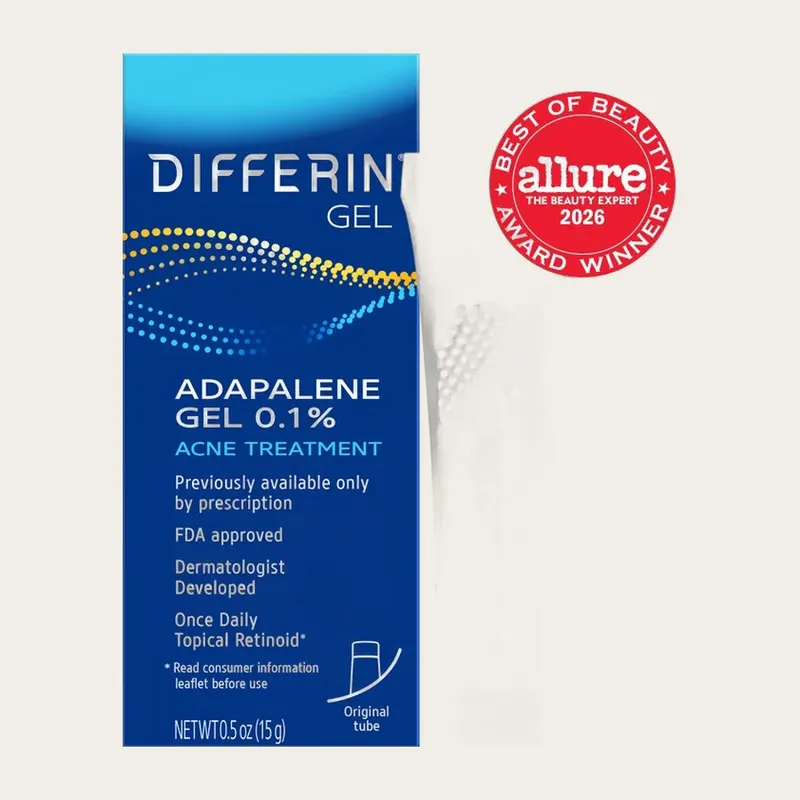
Differin Gel 0.1% Adapalene Acne Treatment
Check current price on Amazon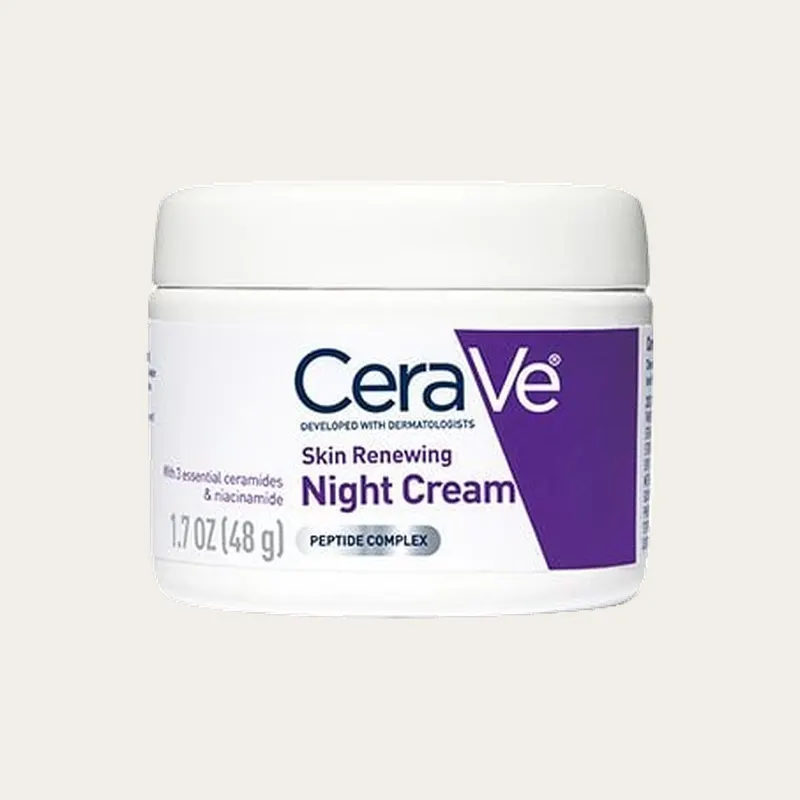
CeraVe Skin Renewing Night Cream
Check current price on Amazon