
Real-life guide
Red light therapy for menopausal skin: evidence & specs
At a glance
Red light therapy (around 633 nm red and 830 nm near-infrared light) has small, encouraging clinical trials for subtle fine-line and elasticity gains, but home masks require months of steady use and cannot replace sunscreen, a retinoid or in-office lifting. Before buying any expensive LED mask, verify FDA 510(k) clearance, check the exact wavelengths and eye safety, and ask a dermatologist if you have melasma or take photosensitizing medicines.
As estrogen drops around menopause, skin loses collagen quickly and becomes easier to irritate with strong acids or prescription retinoids, per the American Academy of Dermatology (AAD). That is why non-irritating LED masks appeal to women over 45. We do not carry affiliate links for LED mask brands here because device specs and claims vary widely; instead, this guide gives you the exact clinical checklist plus verified prep and aftercare skincare.
Our favorite picks at a glance
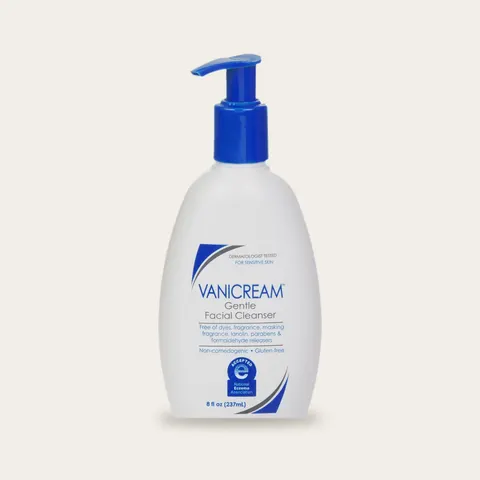
Vanicream Gentle Facial Cleanser
Best if: Plain fragrance-free wash before an LED session
Skip if: May need a separate remover for waterproof makeup
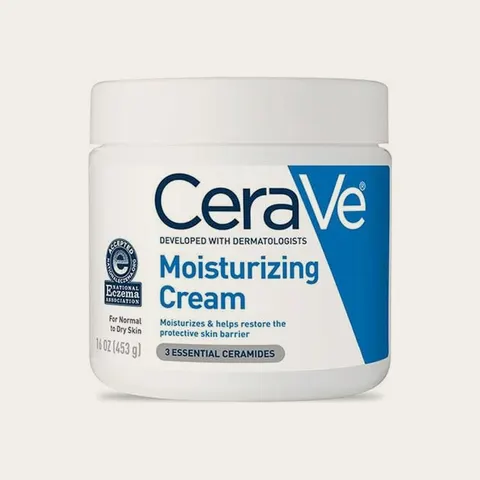
CeraVe Moisturizing Cream
Best if: Fragrance-free aftercare barrier cream once the mask comes off
Skip if: Rich texture; no SPF for daytime
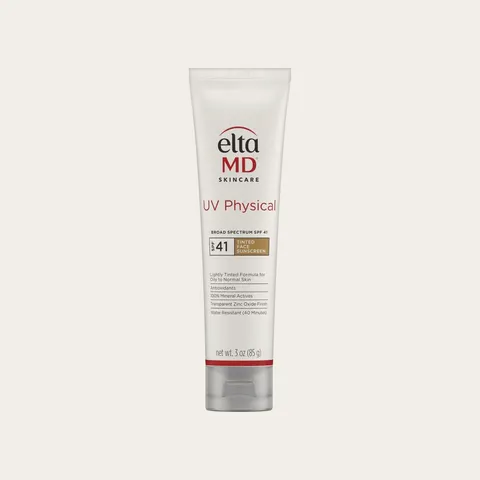
EltaMD UV Physical Broad Spectrum SPF 41
Best if: Daytime tinted mineral SPF 41 if you are prone to dark patches
Skip if: Lightly tinted single shade; layer over moisturizer on very dry cheeks

What clinical trials actually show
In a double-blind, split-face randomized trial of 76 patients (Lee et al., 2007, PubMed), LED phototherapy using 633 nm red light, 830 nm near-infrared light, or both twice weekly for four weeks produced measurable wrinkle reduction (up to 36% in the active arms) and elasticity gains (up to 19%) compared with sham light, with biopsies showing thicker collagen bundles.
Those results come with clear caveats. Most LED trials used clinic-grade lamps rather than battery-powered home masks, ran for weeks rather than years, and showed modest smoothing rather than dramatic tightening. The AAD’s red light therapy guidance emphasizes that results from at-home devices are typically subtle, long-term data on home devices are still limited, and a dermatologist should confirm whether light therapy fits your skin.
Five specs to check before buying a home LED mask
| Spec | What to look for | Red flag to skip |
|---|---|---|
| Regulatory status | FDA 510(k) clearance for facial wrinkles (US) or local medical-device mark | Vague “FDA registered” wording without a cleared 510(k) device listing |
| Wavelengths | Published narrow-band red (about 630 to 660 nm) and near-infrared (about 810 to 850 nm) | Unlisted wavelengths or “7-color rainbow” masks with weak diodes |
| Eye protection | Built-in opaque eye shields or certified protective goggles | Bright exposed LEDs directly over the eyelids with no eye shield |
| Heat output | Cool, non-heating operation | Masks that feel noticeably hot on cheeks (heat can worsen flushing or melasma) |
| Return policy & warranty | Written return window and battery/LED warranty | Final-sale imports with no warranty or customer support |
Who should be cautious or skip LED masks
Stop and check with a doctor or dermatologist first if you:
- Take photosensitizing medicines (such as certain antibiotics, thiazide diuretics or isotretinoin) or have a light-triggered condition such as lupus.
- Have melasma or easily triggered dark patches. Visible light and heat can darken melasma in some people; read our dark patches in perimenopause guide and protect with tinted mineral sunscreen daily.
- Have frequent migraines or eye conditions sensitive to bright light, or notice persistent redness, stinging or pigment darkening after sessions.
Prep and aftercare skincare around LED sessions
Most cleared masks direct use on clean, bare, dry skin so sunscreen filters or thick ointments do not block light or trap heat. Keep the routine before and after simple:
- Wash gently before the mask: Vanicream Gentle Facial Cleanser removes everyday grime without fragrance, essential oils or exfoliating acids.
- Moisturize right after the session: Follow with a plain barrier cream such as CeraVe Moisturizing Cream for very dry cheeks, or La Roche-Posay Toleriane Double Repair if you prefer a lighter fragrance-free cream with niacinamide (skip Toleriane if niacinamide bothers you).
- Protect every morning: LED therapy does not protect against UV damage. If dark patches or uneven tone are part of your concern, EltaMD UV Physical Broad Spectrum SPF 41 provides lightly tinted mineral zinc oxide and titanium dioxide without fragrance (its single light tint will not match every complexion, and dry cheeks do best layering it over moisturizer).
How red light compares with proven topicals
An LED mask is an optional add-on, never a replacement for daily SPF 30 or higher and a plain moisturizer. If you can tolerate a gentle retinoid, compare tretinoin vs retinol for menopausal skin first, since topical retinoids have far deeper long-term evidence at a fraction of the upfront cost. If your main concern is jawline laxity, read our honest breakdown of sudden sagging and jowls in menopause.
Questions about red light therapy in menopause
Should I put moisturizer or retinol on before a red light mask?
Apply the mask to clean, dry, bare skin unless your device’s cleared instructions say otherwise, then apply moisturizer afterward. Keep retinol or prescription tretinoin for after the session or on separate nights if your skin is reactive.
How often do home LED masks need to be used?
Most home protocols run three to five sessions per week for 10 minutes each over at least eight to twelve weeks, with ongoing maintenance afterward.
Does red light therapy tighten sagging jowls?
No. Clinical trials show modest improvements in fine surface wrinkles, texture and elasticity, not surgical lifting of drooping jawline skin.
Sources checked November 23, 2026: AAD, PubMed (Lee 2007), FDA 510(k) overview and US manufacturer skincare pages linked above.
Products mentioned in this guide
Shopping outside the US? The store may take you to a local site in supported countries. Our product research covers the US formulas. Products, sizes, ingredients and availability can differ by country. Check the local listing before buying.
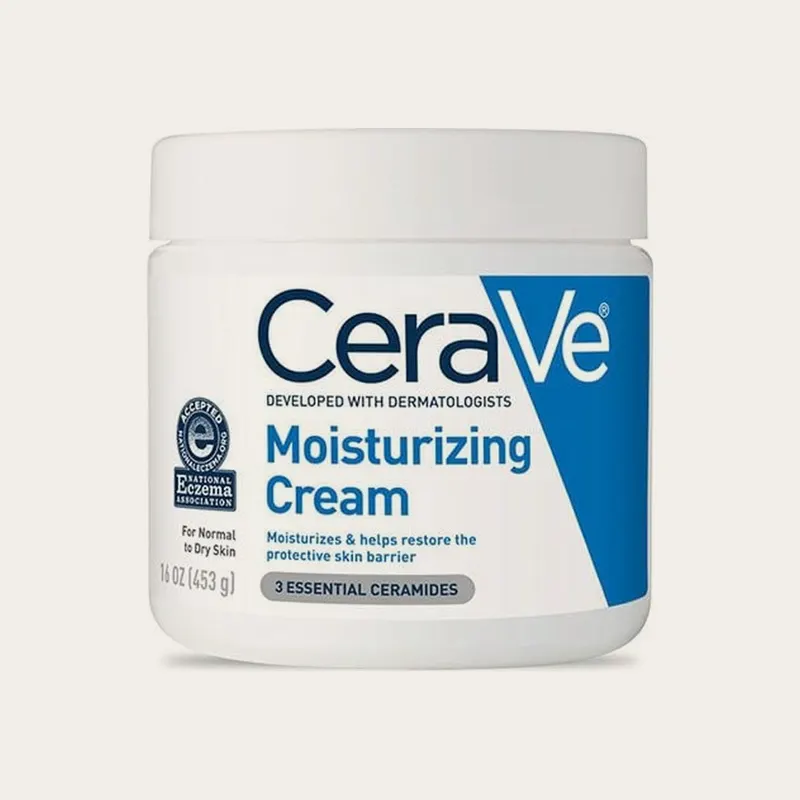
CeraVe Moisturizing Cream
Check current price on Amazon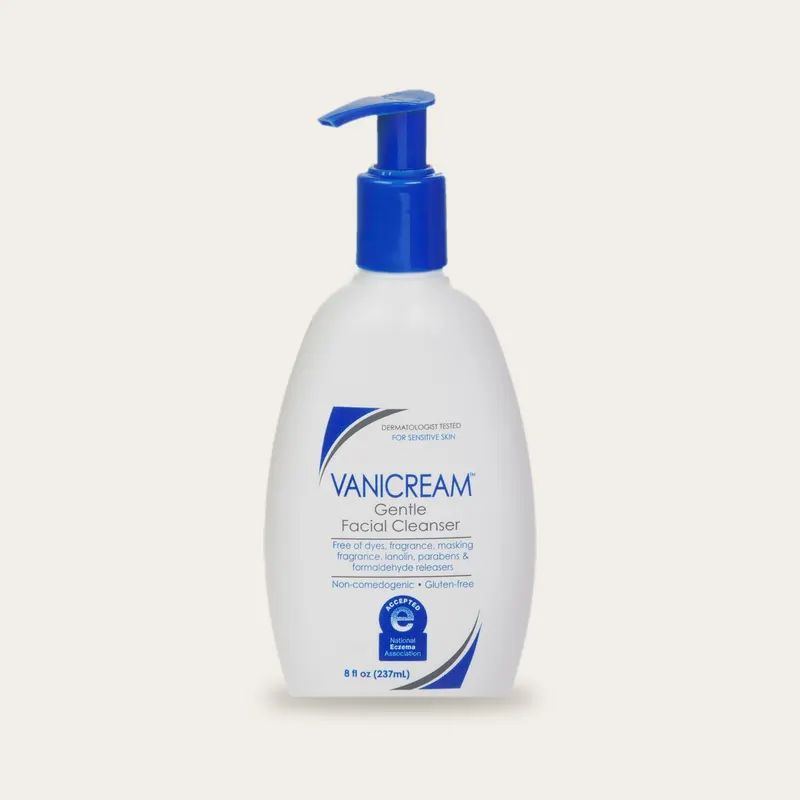
Vanicream Gentle Facial Cleanser
Check current price on Amazon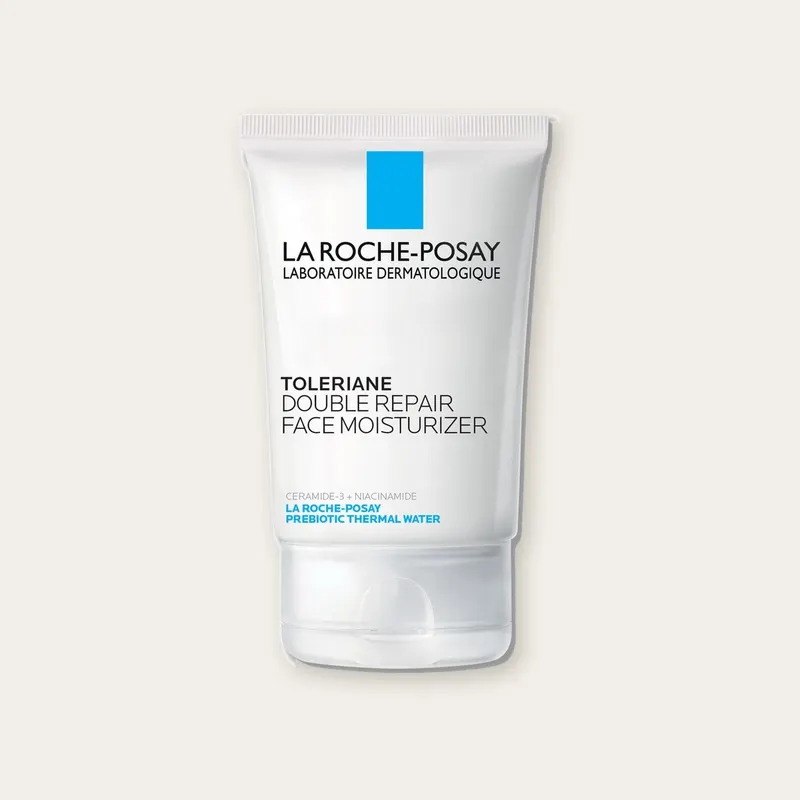
La Roche-Posay Toleriane Double Repair Face Moisturizer
Non-SPF version; the SPF 30 UV and Matte versions are different products.
Check current price on Amazon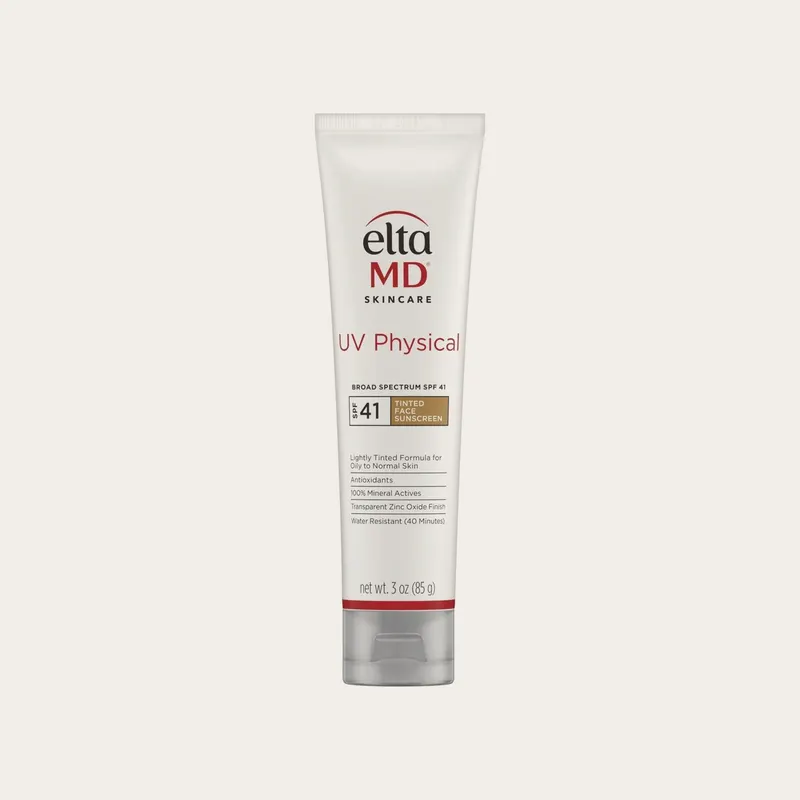
EltaMD UV Physical Broad Spectrum SPF 41
US retail listing. Confirm the selected size and tint on the store page.
Check current price on Amazon