Real-life guide
Crepey legs and arms in menopause: lactic acid vs urea
At a glance
Start with a plain rich cream to hydrate thin, dry arms and legs, then add either 12% lactic acid or 10% urea if the surface still looks rough and papery. Lactic acid exfoliates dry surface scale more directly, while urea pulls water into dry skin and softens thick patches. Neither ingredient tightens loose skin or reverses deep sun damage, and both require daily sunscreen on exposed arms and legs.
Many women notice crêpe-paper texture on their shins and upper arms soon after perimenopause or menopause begins. The American Academy of Dermatology (AAD) notes that skin loses collagen and holds less water as estrogen drops, while the Cleveland Clinic points to cumulative sun exposure as the main driver of crepey texture. These picks are researched from manufacturer labels and clinical guidance, not wear-tested.
Our favorite picks at a glance
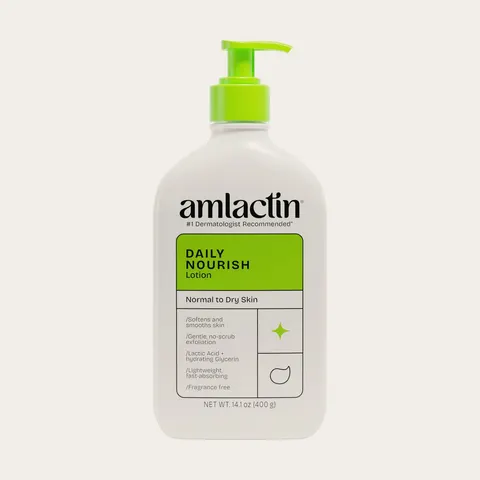
AmLactin Daily Nourish Lotion, 12% Lactic Acid
Best if: Rough, dry shins and arms that tolerate an exfoliating acid
Skip if: Sunburn alert; can sting freshly shaved or broken skin
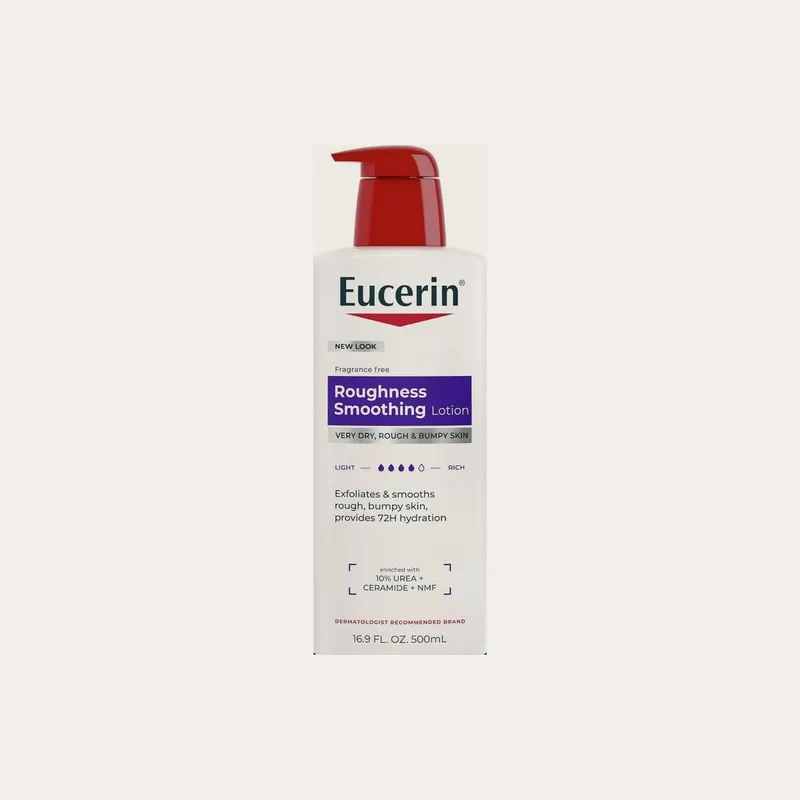
Eucerin Roughness Relief Lotion (now labelled Roughness Smoothing, same formula)
Best if: Dry, scaly legs needing 10% urea and ceramides
Skip if: Sunburn Alert for its AHA; richer feel on warm days
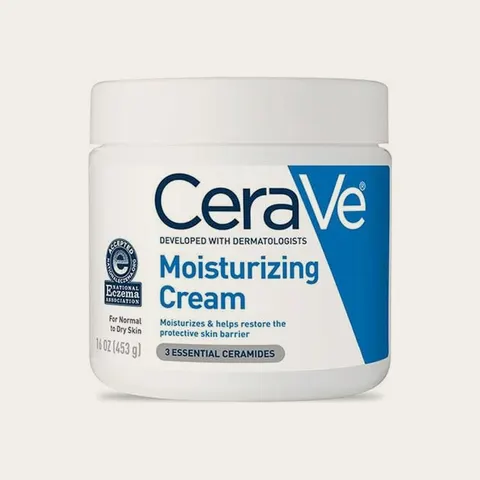
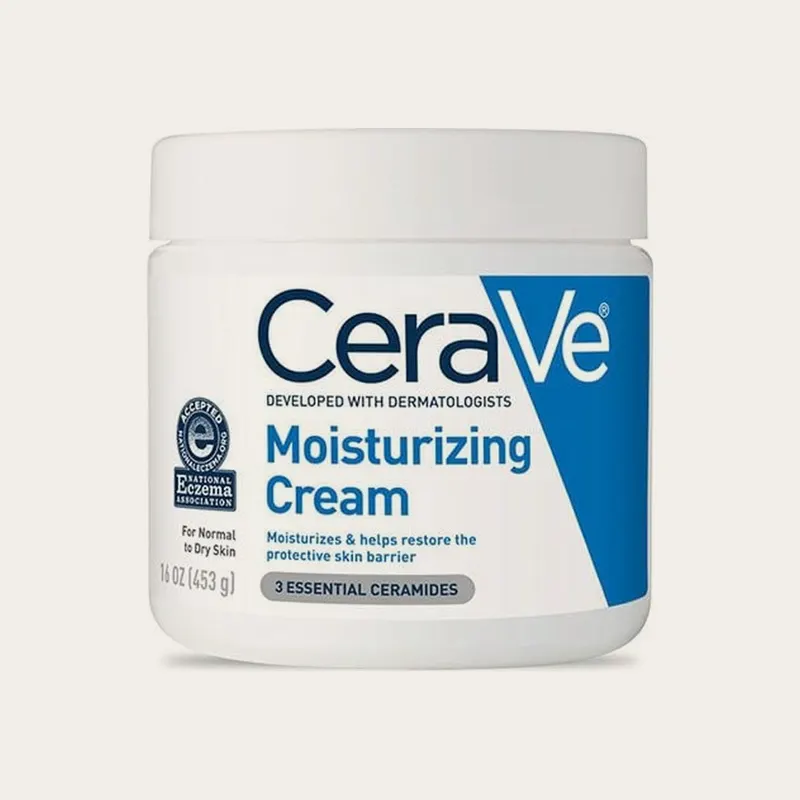
CeraVe Moisturizing Cream
Best if: Plain barrier hydration before or over an active lotion
Skip if: No exfoliating acid

Lactic acid vs urea for crepey arms and legs
| Decision | 12% lactic acid | 10% urea | Plain rich cream |
|---|---|---|---|
| Researched pick | AmLactin Daily Nourish Lotion | Eucerin Roughness Relief Lotion | CeraVe Moisturizing Cream |
| How it helps | Exfoliates rough surface build-up and binds water | Hydrates as part of skin’s natural moisturizing factor and smooths scale | Seals moisture in with petrolatum, glycerin and ceramides |
| Fragrance | Fragrance-free on checked label | Brand says fragrance-free | Fragrance-free |
| Sun sensitivity | Sunburn alert (AHA) | Sunburn Alert (contains an AHA) | No acid sunburn warning |
| Skip if | Skin is freshly shaved, cracked or easily stung | You want a zero-acid body cream | Your skin needs smoothing beyond plain hydration |
How lactic acid works on crepey skin
Lactic acid is an alpha hydroxy acid (AHA) that loosens dry surface cells while acting as a humectant. AmLactin Daily Nourish Lotion lists ammonium lactate (12% lactic acid per the brand) alongside mineral oil, glycerin and dimethicone, with no fragrance on the checked US label.
The main trade-off is UV sensitivity and stinging. The FDA’s AHA guidance notes that skin reddens more easily under UV light after AHA use and stays more sensitive for about a week after stopping. Skip AmLactin right after shaving your legs or on any scratched, cracked patch. See our full AmLactin 12% review or AmLactin vs Eucerin Roughness Relief comparison.
How urea works on rough, dry shins
Urea occurs naturally in the outer skin layer and helps skin hold water while softening rough scale, per a 2021 dermatology review. In an open-label study of 59 adults aged 60 to 75, a 10% urea product applied twice daily to dry lower legs improved dryness scores over four weeks (no control group; two authors worked for La Roche-Posay).
Eucerin Roughness Relief Lotion pairs 10% urea with ceramides and carries a fragrance-free statement on the brand’s US page. Because the formula also includes an AHA and carries a Sunburn Alert, exposed arms and legs still need daily SPF 30 or higher.
Plain barrier creams and higher-commission alternatives
- CeraVe Moisturizing Cream: Best first step when your legs feel tight or itchy. The AAD’s dry-skin tips favour creams over thinner lotions, and layering a plain cream on alternating nights helps reduce acid sting.
- Gold Bond Age Renew Crepe Corrector: A fragrance-free lotion marketed specifically for crepey skin with vitamin E, omega fatty acids and botanicals. Its quick-results numbers come from the brand’s own consumer test rather than an independent trial; read our Gold Bond Crepe Corrector review.
- Stripes Rich & Tight Peptide Body Butter (higher-commission alternative): Listed beside our primary picks because it pays a higher affiliate commission while offering a rich peptide, shea butter and ceramide NP body butter aimed at dry menopausal skin. Its clear downside is that the checked US listing contains fragrance and named fragrance allergens (check carefully if you want the separate fragrance-free version).
A simple layering routine for crepey limbs
- Shower warm, not hot, and pat dry so the skin stays slightly damp.
- Apply one active lotion (either 12% lactic acid or 10% urea, never both together) on dry, intact arms and legs three to four evenings a week to test tolerance.
- Seal very dry shins with a plain cream like CeraVe Moisturizing Cream on off-nights or over the lotion once absorbed if tightness remains.
- Wear broad-spectrum SPF 30 or higher on exposed arms and legs every morning and for one week after stopping any AHA lotion; see our sunscreens for dry menopausal skin.
What no lotion can fix and when to see a clinician
Topical lotions hydrate and smooth the upper skin layer, which makes fine crêpe lines look less sharp. They cannot tighten loose skin or rebuild deep elastic fibres. For more product comparisons, see our best lotions for crepey skin on arms and legs. See a dermatologist or doctor if your legs itch persistently without relief, bruise or tear easily, or develop a spreading rash.
Questions about lactic acid and urea for crepey skin
Can I layer AmLactin and Eucerin Roughness Relief together?
Skip layering both on the same night. Both contain exfoliating acids that can sting thinning menopausal skin. Pick one active lotion and pair it with a plain fragrance-free cream on alternating nights.
Should I put a plain cream over AmLactin?
Yes, if your shins still feel tight once the lotion dries. Waiting a few minutes and sealing with a plain petrolatum or ceramide cream helps cut moisture loss without adding a second acid.
How long before crepey arms or legs look smoother?
Surface hydration can make dry crinkling look softer within days, while exfoliating smoothers like lactic acid or urea typically need four to eight weeks of steady use plus daily sunscreen.
Sources checked November 23, 2026: AAD, Cleveland Clinic, FDA, PMC and Karger studies, plus manufacturer US pages linked above.
Products mentioned in this guide
Shopping outside the US? The store may take you to a local site in supported countries. Our product research covers the US formulas. Products, sizes, ingredients and availability can differ by country. Check the local listing before buying.
CeraVe Moisturizing Cream
Check current price on Amazon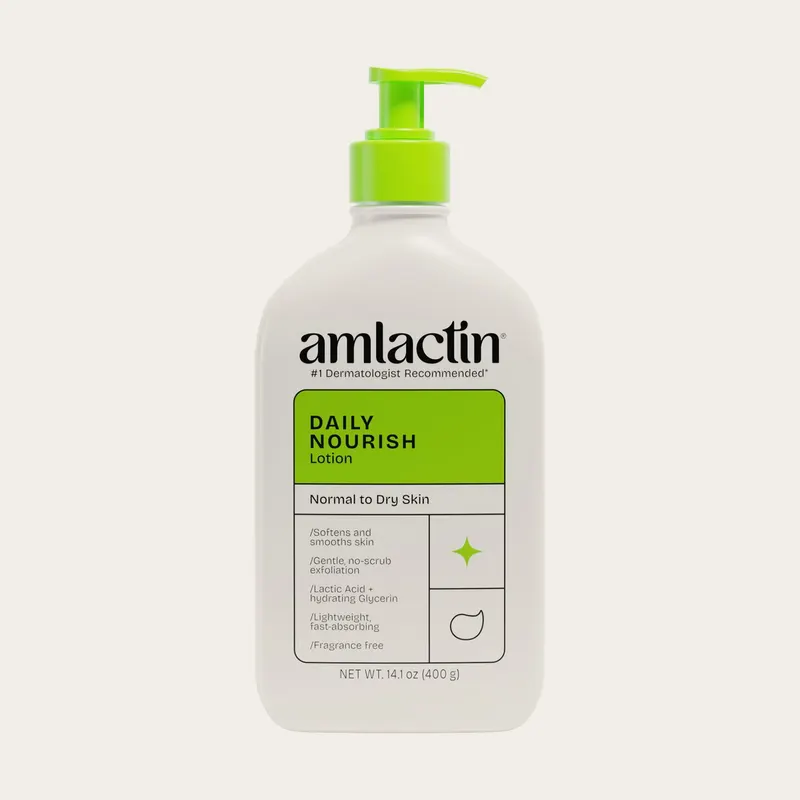
AmLactin Daily Nourish Lotion, 12% Lactic Acid
Check current price on Amazon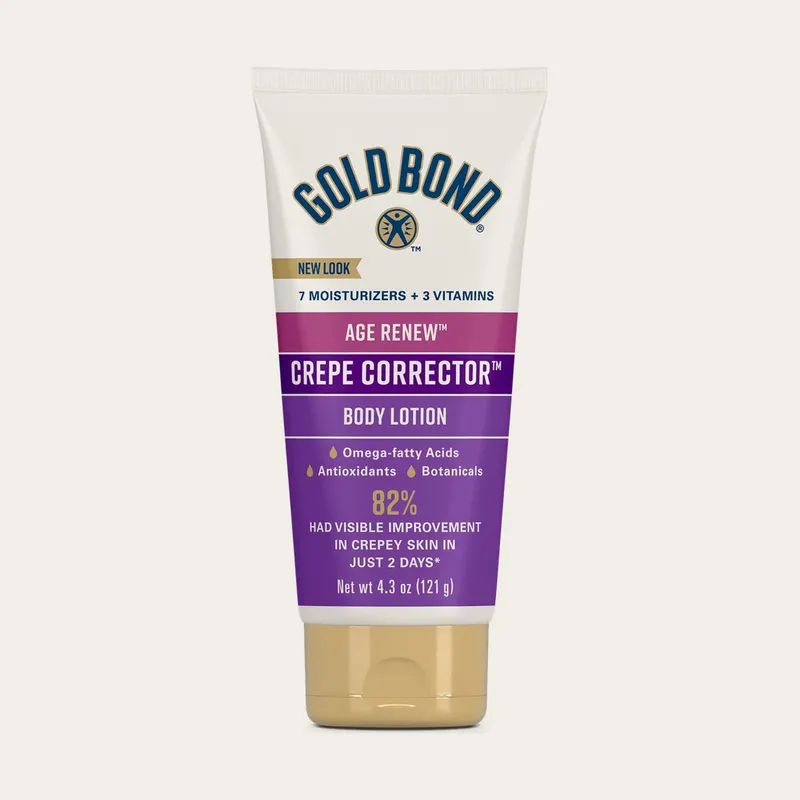
Gold Bond Age Renew Crepe Corrector Body Lotion
Check current price on Amazon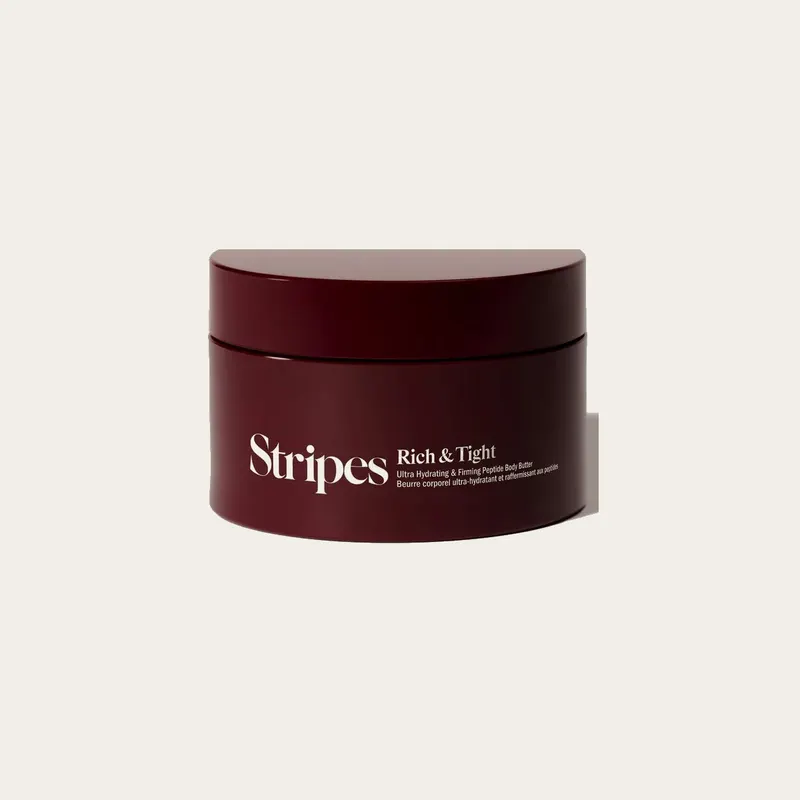
Stripes Rich & Tight Peptide Body Butter
Check current price on Amazon