
Real-life guide
New dark patches in perimenopause: melasma, sun spots or something else?
At a glance
New dark patches in your 40s or 50s usually come from one of three things: melasma, which is linked to hormones and sunlight; sun spots from years of earlier sun exposure; or marks left behind after a breakout, rash or irritation. The pattern and the place they appear give strong clues, but only a skin exam can confirm which one you have. Whatever the cause, daily sun protection stops them getting darker while you find out.
One rule comes first. If a single spot is changing in size, shape or color, itches, bleeds, or looks different from your other spots, book an appointment promptly and say so when you call. Some skin cancers can look like an ordinary dark spot. American Academy of Dermatology (AAD) guidance on new or changing spots
Our favorite picks at a glance
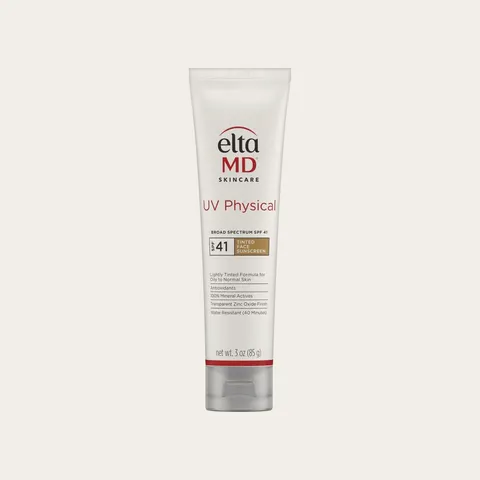
EltaMD UV Physical Broad Spectrum SPF 41
Best if: A tinted, water-resistant mineral SPF that meets the AAD advice for melasma
Skip if: Made for normal to oily skin, so dry skin needs moisturizer underneath

Melasma, sun spot or post-breakout mark: how they usually look
| What you see | Most likely | Clues |
|---|---|---|
| Flat, blotchy patches on both cheeks, the forehead or above the upper lip | Melasma | Often roughly mirror-image on both sides. Brown, or blue-gray on darker skin. Feels the same as the skin around it. |
| Small, flat, well-defined spots on the backs of the hands, face, chest or forearms | Sun spots (age spots) | Appear where you have had the most sun over the years. Often several at once. |
| A mark exactly where a pimple, rash, scratch or product reaction was | Post-inflammatory hyperpigmentation | Appears after the redness or soreness has gone. More common on darker skin tones. |
These are typical patterns, not a diagnosis. A patch can fit more than one row, and a dermatologist may use a magnifying light to look more closely.
Is it melasma? Why perimenopause matters
Melasma is linked to hormones. Pregnancy and some birth control pills are recognized triggers, and sunlight, including visible light, makes the patches darker. AAD on what triggers melasma The hormonal shifts of perimenopause, or starting hormone therapy, can be part of the picture for some women, though the evidence for perimenopause itself as a trigger is less clear than it is for pregnancy.
The AAD’s photos of melasma show how it looks across different skin tones. If you recently started a new medicine, including hormone therapy, note its name and start date for your appointment. Do not stop a prescribed medicine without talking to the prescriber.
Sun spots: years of sun, showing up now
Sun spots, also called age spots or solar lentigines, are the result of sun exposure that may have happened decades ago. They tend to appear in midlife on the face, hands, chest and arms. They are harmless in themselves, but some skin cancers look similar, which is why a skin exam comes before any fading cream. AAD on skin care during menopause
Marks left after a breakout or irritation
Many women get breakouts in perimenopause, and skin can also become more reactive to products it used to tolerate. Both can leave a dark mark behind once the spot or irritation has healed. This is called post-inflammatory hyperpigmentation. It often fades slowly on its own over months, as long as the area is protected from the sun and not irritated again. If a new skincare product stung that area, tell your clinician and stop using it. AAD guidance on fading dark spots
How to stop dark patches getting darker
Sun protection is the single most important step for all three types, and it is the foundation of any treatment a dermatologist recommends.
- Use a broad-spectrum sunscreen, SPF 30 or higher, every day, including cloudy days and days by a window. AAD sunscreen advice
- For melasma, choose a tinted sunscreen with iron oxides. Visible light can worsen melasma, and the iron oxides in a tint help protect against it. The AAD recommends a tinted, water-resistant formula with SPF 30 or higher. AAD melasma self-care
- Reapply every two hours outdoors, and after swimming or sweating.
- Wear a wide-brimmed hat and seek shade in the middle of the day.
- Be gentle. Scrubs, harsh products and picking can irritate the skin and make marks darker.
EltaMD UV Physical SPF 41 is a tinted, water-resistant, mineral-only sunscreen that ticks every point the AAD lists for melasma. It is formulated for normal to oily skin, so if your skin is dry, apply a moisturizer underneath. If dryness is your main problem, our tinted sunscreens for melasma and dry skin compares more moisturizing options, and our EltaMD UV Physical review covers it in detail.
What a dermatologist can offer
Once the cause is confirmed, there are treatments that can help. Depending on the diagnosis, a dermatologist may suggest:
- Prescription creams such as hydroquinone, tretinoin or a combination cream for melasma. AAD melasma treatment
- Other medicines such as azelaic acid, or tranexamic acid applied to the skin or taken as a pill.
- Procedures such as chemical peels, microneedling, or laser and light treatments, usually added alongside creams to improve results.
Melasma can be stubborn even with treatment, and sun protection is what helps it fade and keeps it from returning.
For marks left after inflammation, the AAD lists over-the-counter ingredients such as azelaic acid, glycolic acid, kojic acid, vitamin C or a retinoid. They work slowly, and they are best started after a skin check, not instead of one. AAD guidance on fading dark spots
Getting ready for your appointment
A few notes make the visit far more useful:
- When you first noticed the patch, and where it started
- Whether it has changed in size, color or shape
- Any new medicines, including hormone therapy or birth control, with start dates
- Any recent breakouts, rashes or new skincare products in that area
- An older photo of the area, if you have one
Our printable skin log keeps all of this in one place. Do not wait for a photo or a log if you have noticed a worrying change. Call now.
Quick answers
Can perimenopause cause dark spots? Hormone changes can play a part in melasma, and midlife is when earlier sun damage often shows up as sun spots. A skin exam tells you which one you have.
Will melasma go away on its own? It can be stubborn. Daily sun protection helps it fade and keeps it from coming back, and a dermatologist can add treatment.
Is a dark spot on my hand dangerous? Most are harmless sun spots, but any spot that is new and changing, or looks different from the others, should be checked.
For a wider look at how your skin changes in this stage, see how menopause affects your skin.
Products mentioned in this guide
Shopping outside the US? The store may take you to a local site in supported countries. Our product research covers the US formulas. Products, sizes, ingredients and availability can differ by country. Check the local listing before buying.
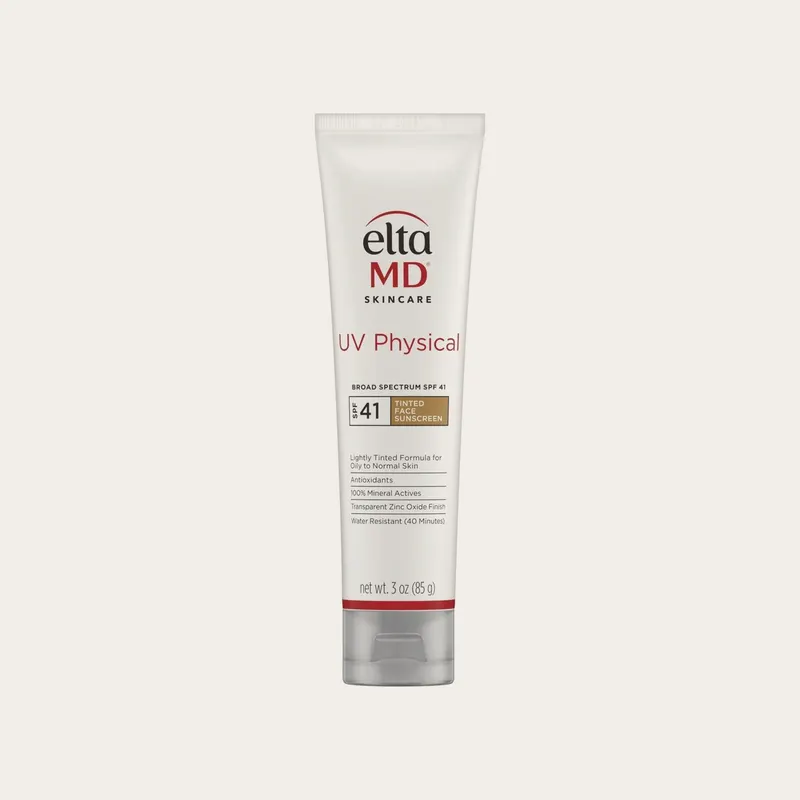
EltaMD UV Physical Broad Spectrum SPF 41
US retail listing. Confirm the selected size and tint on the store page.
Check current price on Amazon