Comfort & skin picks
Best fragrance-free hand cream for dry hands in menopause (and when to use an ointment)
At a glance
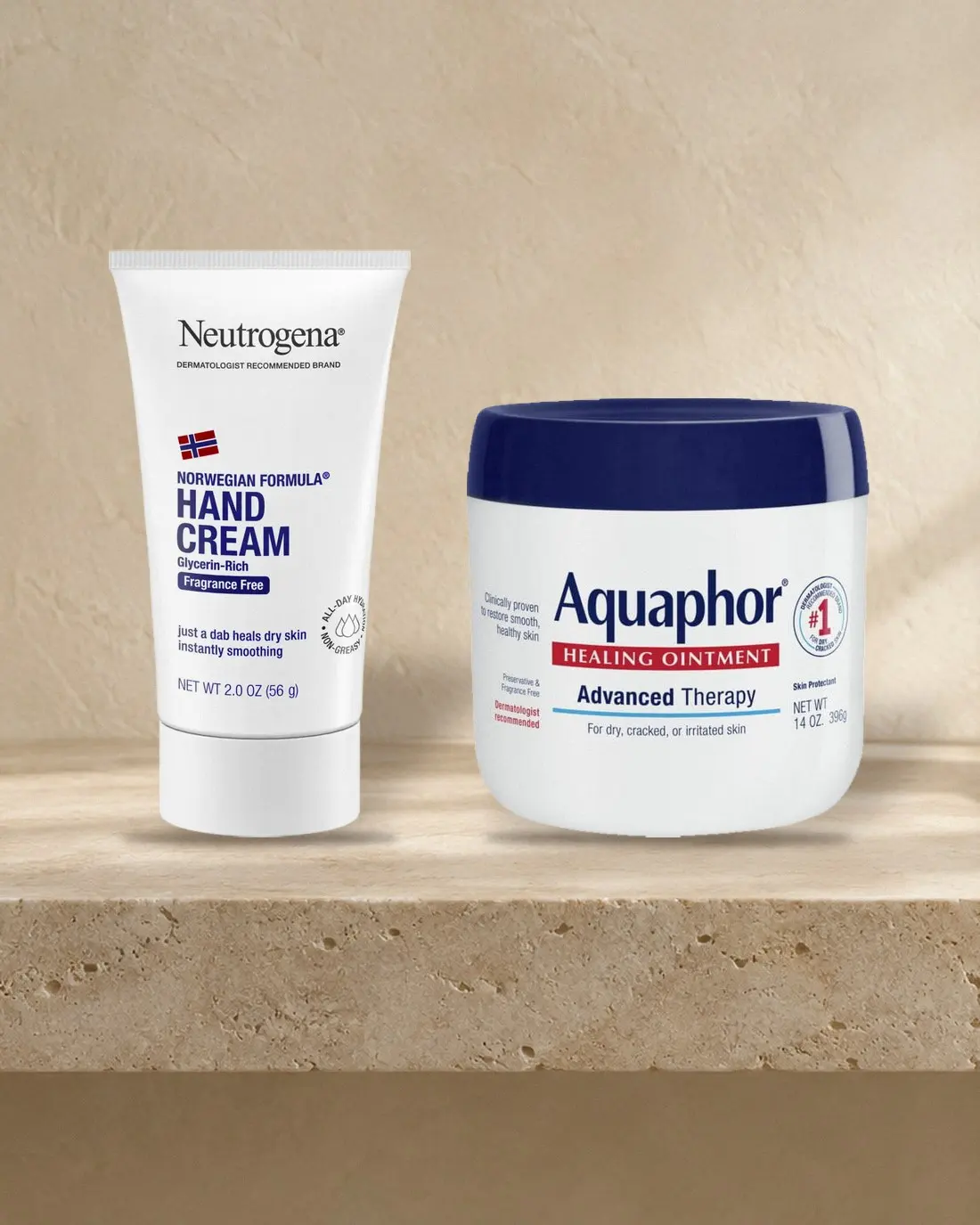
For dry hands in menopause, the simplest fix is two products: a fragrance-free hand cream by the sink for daytime, and a thicker ointment at night. Neutrogena Norwegian Formula Hand Cream, Fragrance-Free is our pick for daytime. It is a concentrated glycerin cream in a 2 oz tube small enough to carry. For bedtime, Aquaphor Healing Ointment or plain Vaseline seals moisture into rough knuckles while you sleep. If your hands are chapped or have small dry cracks, La Roche-Posay Cicaplast Balm B5+ is the premium option for those spots.
You do not have to buy all three. One cream used after every wash will do more than three products used now and then.
Our favorite picks at a glance
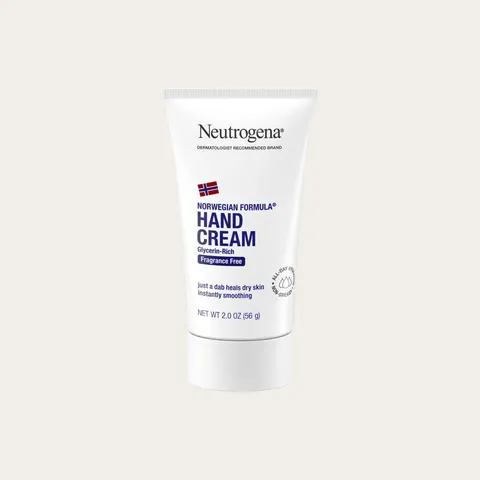
Neutrogena Norwegian Formula Hand Cream, Fragrance-Free
Best if: A small tube to use after every handwash
Skip if: The 2 oz tube runs out fast if the whole house shares it
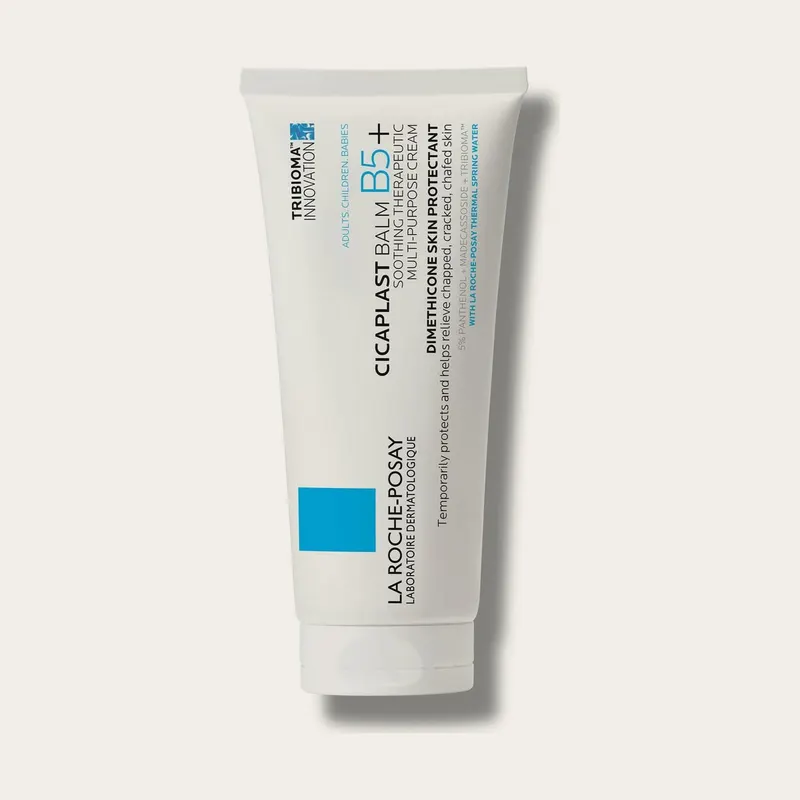
La Roche-Posay Cicaplast Balm B5+
Best if: Premium option: a rich balm for chapped knuckles and dry cracks
Skip if: A small 40 mL tube, so it is for problem spots, not all-day use
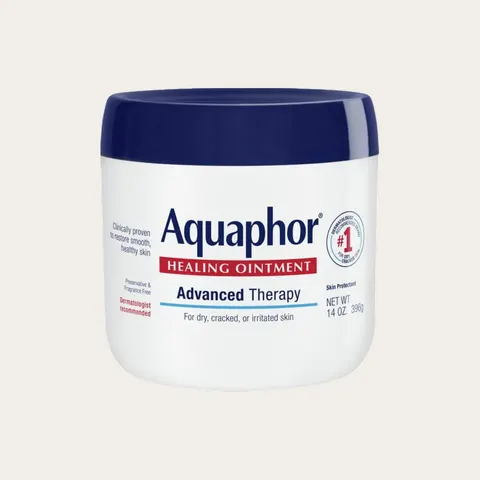
Aquaphor Healing Ointment
Best if: An overnight ointment for rough, split skin
Skip if: Contains lanolin alcohol
Why are my hands so dry in menopause?
Hands get washed more than any other part of the body, and every wash takes some of the skin’s natural oils with it. Around menopause, skin also tends to become drier and slower to recover, so hands that once coped with winter and frequent washing can start to feel tight, rough or sore. Cold air and indoor heating make it worse. The American Academy of Dermatology (AAD) recommends a cream or ointment, rather than a thin lotion, applied right after washing.
Fragrance matters here too. Hands that are already dry and cracked are more likely to sting or react, which is why every product below is fragrance-free.
Which hand product fits your day?
| When you use it | Our pick | What could rule it out |
|---|---|---|
| After washing, at home or out | Neutrogena Norwegian Formula Hand Cream, Fragrance-Free, a concentrated glycerin cream in a small squeeze tube | If you wash mostly at one sink, a bigger tube or pump kept there may suit you better |
| On chapped knuckles or small dry cracks | La Roche-Posay Cicaplast Balm B5+, a fragrance-free balm with glycerin, shea butter and panthenol, labelled for dry, chapped or chafed skin | The 40 mL tube is small, and it is not meant for deep or bleeding cracks |
| At bedtime, on rough or split skin | Aquaphor Healing Ointment, 41% petrolatum with glycerin and panthenol | It contains lanolin alcohol, so choose Vaseline if you avoid lanolin |
| You want one plain ingredient | Vaseline Healing Jelly Original, 100% white petrolatum | Greasy on fingertips, so it is better at night than at your keyboard |
Neutrogena Norwegian Formula Fragrance-Free: the everyday hand cream
This is the one to keep by the sink or in your bag. It is a concentrated cream built on glycerin, a humectant that draws water into the skin, and a little goes a long way. The fragrance-free version matters: the original Norwegian Formula has a scented sibling, so check that the tube says “Fragrance Free” before you buy. Our full review of the fragrance-free hand cream covers the label in more detail.
Skip it if you want something you can slather on generously. It is thick and concentrated, so a pea-sized amount is enough for both hands.
La Roche-Posay Cicaplast Balm B5+: the premium option for chapped skin
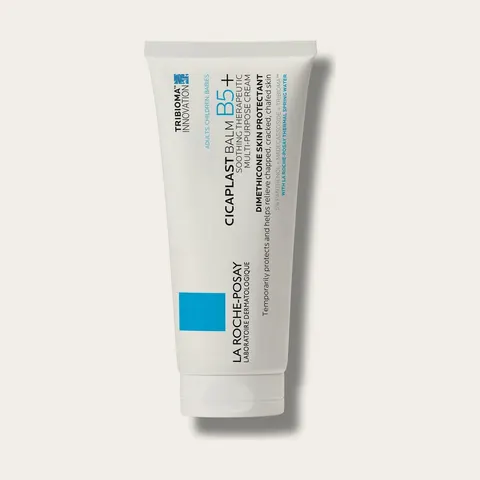
Cicaplast Balm B5+ is a rich, fragrance-free balm made for dry, chapped and chafed patches. Its US label lists dimethicone 1% as the active skin protectant, and the brand highlights 5% panthenol, along with glycerin and shea butter. That makes it a good fit for chapped knuckles, rough cuticles and the small dry cracks that open up along the fingers in winter.
It is not an everyday hand cream. The tube is small and the texture is rich, so use it on the problem areas and keep a regular cream for the rest of your hands. It is also not a substitute for medical care if a crack is deep, bleeding or getting worse. Our Lipikar vs Cicaplast comparison explains how it differs from a body cream.
Aquaphor or Vaseline at night?
Both are fragrance-free ointments that sit on top of the skin and slow water loss, which is exactly what rough hands need overnight. They are not the same formula.
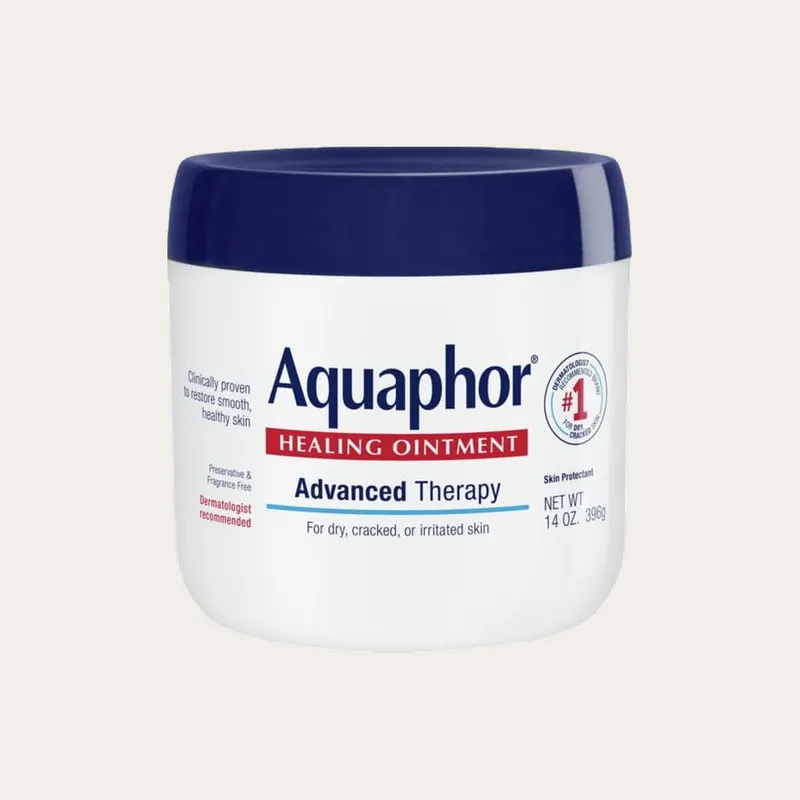
- Aquaphor Healing Ointment is 41% petrolatum, with glycerin and panthenol added. It also contains lanolin alcohol, which some people with sensitive skin prefer to avoid. How Aquaphor works
- Vaseline Healing Jelly Original is 100% white petrolatum, with nothing else to react to.
If you have used one without trouble, keep using it. If you are not sure about lanolin, start with Vaseline. Our Aquaphor vs Vaseline comparison goes into the differences.
How to use hand cream so it actually works
- Wash with lukewarm water and a gentle, fragrance-free soap.
- Pat your hands almost dry, leaving them slightly damp.
- Apply the cream straight away. Work it over the backs of your hands, between your fingers and around your nails, where dryness often starts.
- Repeat after every wash. This is the step most people skip, and the one that makes the biggest difference.
- At bedtime, use the ointment. Apply a thin layer to rough or cracked areas. Thin cotton gloves over the top help it stay put.
During the day, wear rubber or vinyl gloves for washing dishes and cleaning, because hot water and detergents dry hands quickly. Wear warm gloves outside in cold weather. AAD dry skin and glove advice
What helps split fingertips?
Painful little splits at the fingertips or beside the nails are common in winter. Keep them covered with a thin layer of ointment overnight, ideally under a cotton glove or a bandage, and avoid picking at the edges. Cicaplast Balm B5+ is labelled for dry, chapped skin and can be used on small, shallow cracks during the day. If a split is deep, bleeds, or shows signs of infection such as swelling, warmth or pus, see a clinician.
Giving hand cream as a gift
A small tube of fragrance-free hand cream is a thoughtful, low-risk gift for someone whose skin has become sensitive. If she has asked for a particular jar, ask for a photo of the label first, especially if she avoids lanolin. Our menopause skincare gift guide has more ideas.
When hand cream is not enough
See a dermatologist if your hands have deep or bleeding cracks, a rash that keeps coming back, blisters, or soreness that does not improve with regular moisturizing. Hand eczema and irritation from water or cleaning products can look a lot like winter dryness, and they need different treatment. Menopause alone does not explain those changes. AAD guide to hand eczema
Products mentioned in this guide
Shopping outside the US? The store may take you to a local site in supported countries. Our product research covers the US formulas. Products, sizes, ingredients and availability can differ by country. Check the local listing before buying.
Aquaphor Healing Ointment
Check current price on Amazon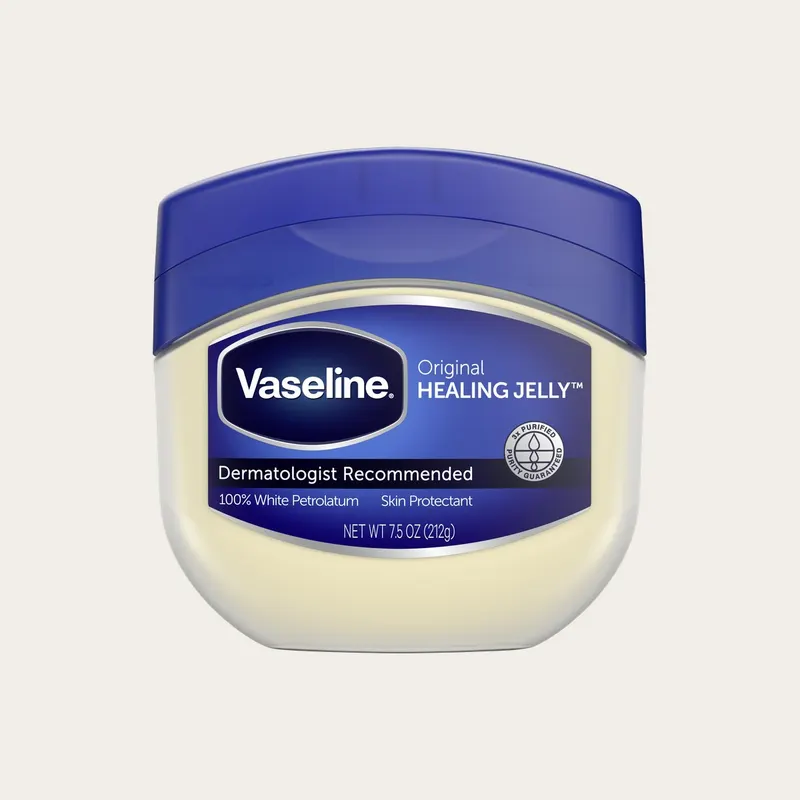
Vaseline Healing Jelly Original
Check current price on Amazon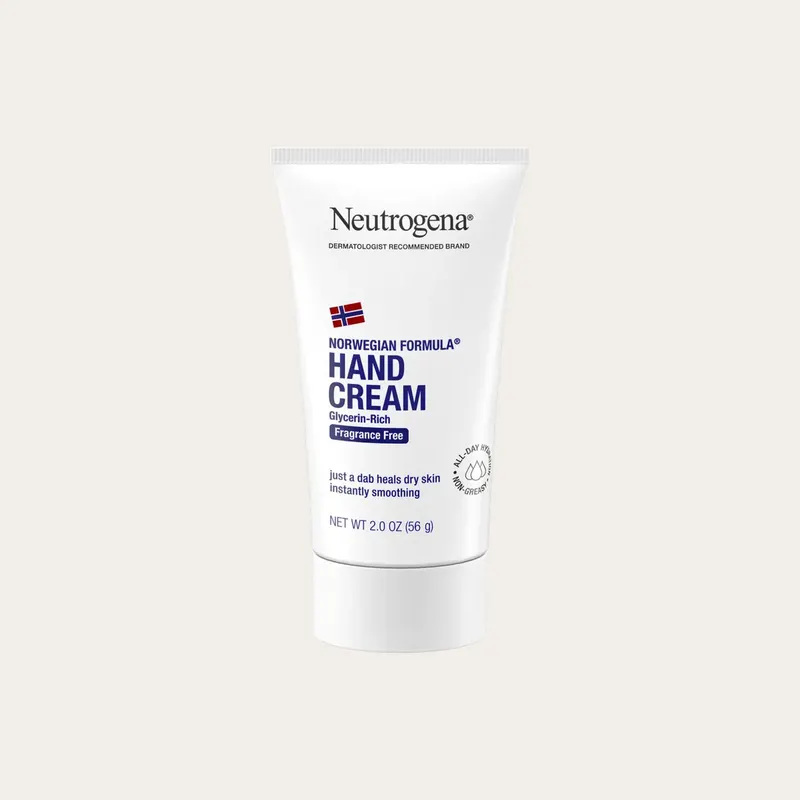
Neutrogena Norwegian Formula Hand Cream, Fragrance-Free
Check current price on Amazon